
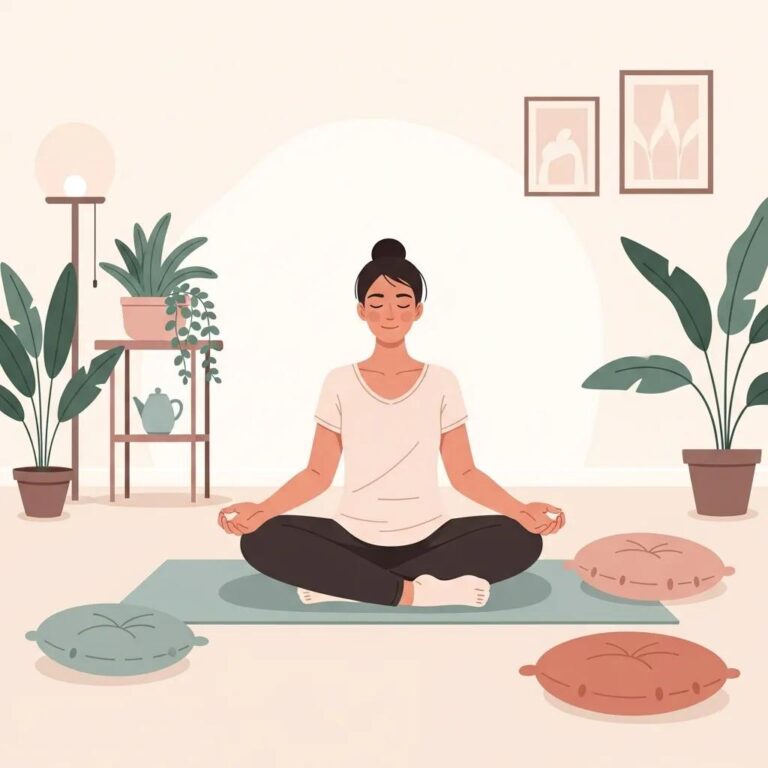
Understanding Mindfulness Practices
Mindfulness practices involve a range of techniques aimed at fostering awareness and presence in the moment. These practices can help individuals cultivate a deeper connection with their thoughts, emotions, and physical sensations, ultimately leading to improved mental health and emotional regulation.
Examples of mindfulness practices include meditation, mindful breathing, and body scans. Research shows that consistent engagement in mindfulness can reduce anxiety, enhance focus, and promote overall well-being by encouraging individuals to observe their experiences without judgment.
The Role of Mindfulness in Therapy
Integrating mindfulness into therapeutic settings can significantly enhance treatment outcomes for various mental health issues. Therapists often employ mindfulness techniques to help clients manage stress, anxiety, and depression, facilitating a greater understanding of their emotional responses.
Mindfulness-based therapies, such as Mindfulness-Based Stress Reduction (MBSR) and Mindfulness-Based Cognitive Therapy (MBCT), have been shown to be effective in clinical settings. These approaches teach clients how to apply mindfulness principles to everyday challenges, promoting resilience and emotional stability.
Benefits of Progressive Muscle Relaxation
Progressive Muscle Relaxation (PMR) is a technique that systematically tenses and relaxes different muscle groups to alleviate stress and anxiety. By focusing on the contrast between tension and relaxation, individuals can become more aware of their physical sensations and learn to release built-up stress effectively.
Studies indicate that PMR can lead to significant reductions in anxiety levels and improvements in sleep quality. Incorporating PMR into a daily routine can empower individuals to take control of their stress responses and enhance their overall mental health.
Mindfulness Techniques for Emotional Regulation
Mindfulness techniques can serve as powerful tools for emotional regulation, helping individuals manage their feelings and reactions during challenging situations. By practicing mindfulness, individuals can learn to observe their emotions without becoming overwhelmed, allowing for more thoughtful responses.
Techniques such as mindful breathing, journaling, and guided imagery can aid in processing emotions and fostering a sense of calm. Research supports the effectiveness of these strategies in reducing emotional dysregulation and improving coping mechanisms in everyday life.