
Understanding Emotional Regulation: Key Techniques for Better Mental Health
Emotional regulation is the ability to manage and respond to emotional experiences in a healthy way. This skill is crucial for maintaining mental health, as it helps individuals navigate life's challenges without becoming overwhelmed by their feelings.
Techniques for improving emotional regulation include mindfulness practices, cognitive restructuring, and journaling. For instance, mindfulness meditation can enhance awareness of emotional triggers, while cognitive restructuring helps individuals reframe negative thoughts, leading to healthier emotional responses.
The Importance of Self-Care: Building a Routine for Mental Wellness
Self-care encompasses activities and practices that individuals engage in to maintain and enhance their health and well-being. Prioritizing self-care is essential for preventing burnout and promoting emotional resilience.
Effective self-care routines may include regular physical activity, balanced nutrition, and sufficient sleep. Additionally, engaging in hobbies and social connections can significantly improve mood and overall mental health, making self-care a crucial component of a balanced life.
Recognizing Signs of Anxiety: When to Seek Professional Help
Anxiety can manifest in various ways, including excessive worrying, restlessness, and physical symptoms like increased heart rate. Recognizing these signs early is vital for effective management and intervention.
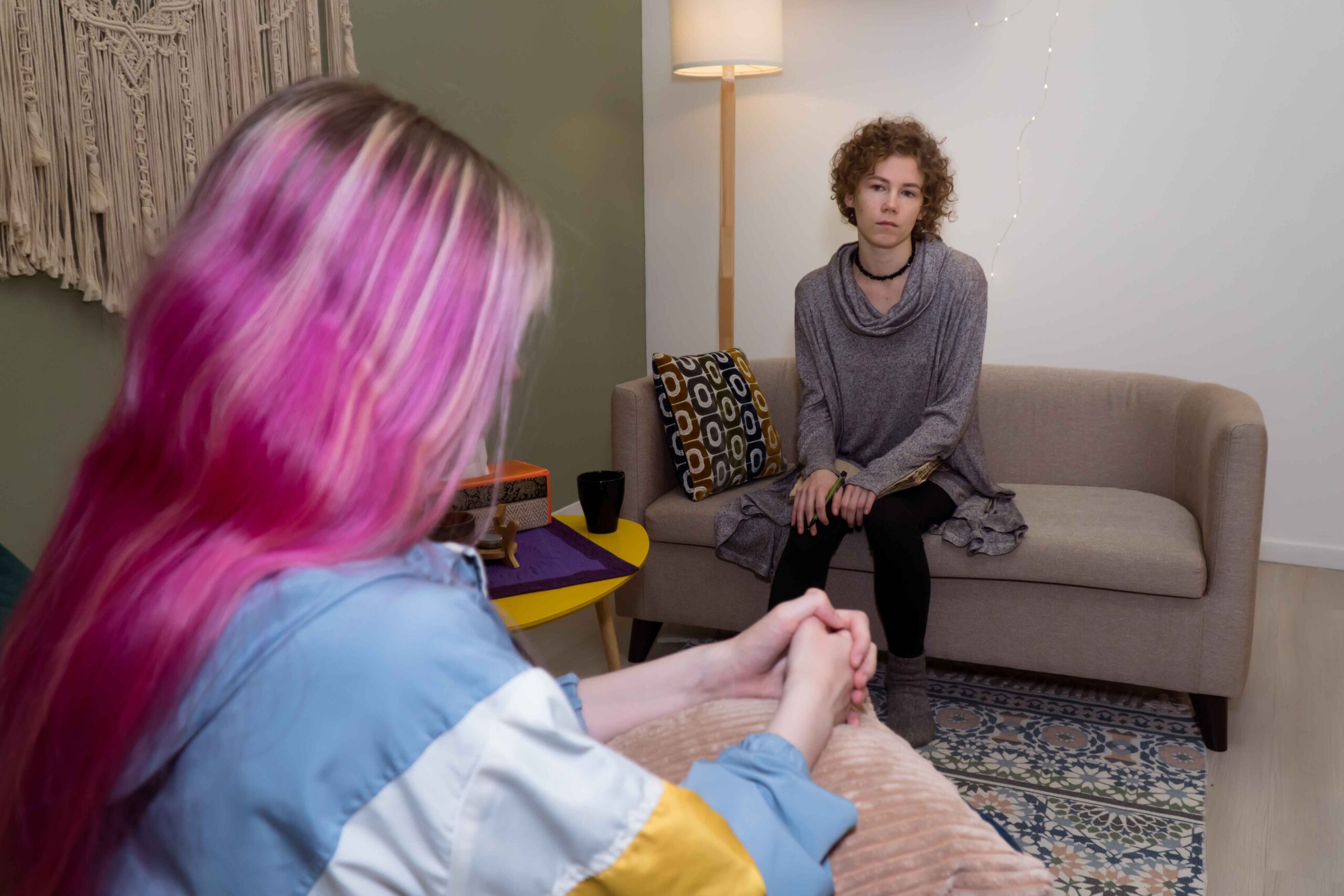
If anxiety begins to interfere with daily activities or relationships, it may be time to seek professional help. Therapists can provide tailored strategies and support, including cognitive behavioral therapy and mindfulness techniques, to help individuals manage their anxiety effectively.
Building Resilience: Strategies for Overcoming Life's Challenges
Resilience is the capacity to recover quickly from difficulties. It plays a crucial role in mental health, enabling individuals to navigate stress and adversity with greater ease.
Developing resilience can involve fostering a positive mindset, building strong social connections, and practicing problem-solving skills. Techniques such as gratitude journaling and seeking support from friends or professionals can significantly enhance one's ability to cope with life's challenges.