
Understanding Emotional Regulation: Key Concepts and Benefits
Emotional regulation refers to the ability to manage and respond to emotional experiences in a healthy manner. It encompasses a range of strategies that individuals can use to influence their emotions, whether by enhancing positive feelings or mitigating negative ones. Mastering emotional regulation is crucial for mental well-being, as it allows individuals to navigate life's challenges with resilience and adaptability.
Research indicates that effective emotional regulation can lead to improved mental health outcomes, including reduced anxiety and depression. Techniques such as mindfulness, cognitive restructuring, and emotional awareness are essential components of emotional regulation. By practicing these strategies, individuals can develop greater emotional intelligence and enhance their overall quality of life.
Practical Techniques for Enhancing Emotional Regulation
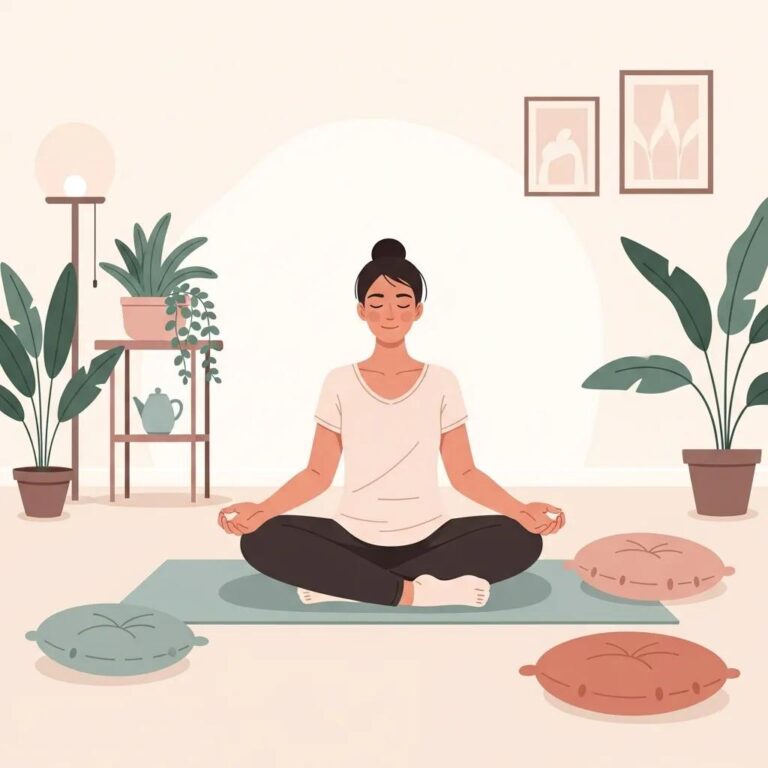
To cultivate emotional regulation skills, individuals can employ various practical techniques. These may include mindfulness meditation, journaling, and deep-breathing exercises, all of which help individuals become more aware of their emotional states and triggers. Implementing these techniques into daily routines can empower individuals to respond to stressors more effectively.
For instance, mindfulness meditation encourages present-moment awareness, which can prevent emotional reactions from escalating. Journaling provides a safe space for individuals to process their feelings, while deep-breathing exercises can activate the body's relaxation response. Together, these techniques form a comprehensive toolkit for enhancing emotional regulation.
The Role of Therapy in Emotional Regulation
Therapy can play a pivotal role in helping individuals develop emotional regulation skills. Therapists often utilize evidence-based approaches, such as Cognitive Behavioral Therapy (CBT), to teach clients how to recognize and alter maladaptive thought patterns that contribute to emotional distress. Through therapeutic guidance, individuals can learn to identify their emotional triggers and develop healthier coping strategies.
Resources for Improving Emotional Regulation Skills
Numerous resources are available for individuals seeking to enhance their emotional regulation skills. Books, workshops, and online courses offer valuable insights and practical exercises tailored to various learning preferences. These resources can equip individuals with the knowledge and tools needed to manage their emotions effectively.