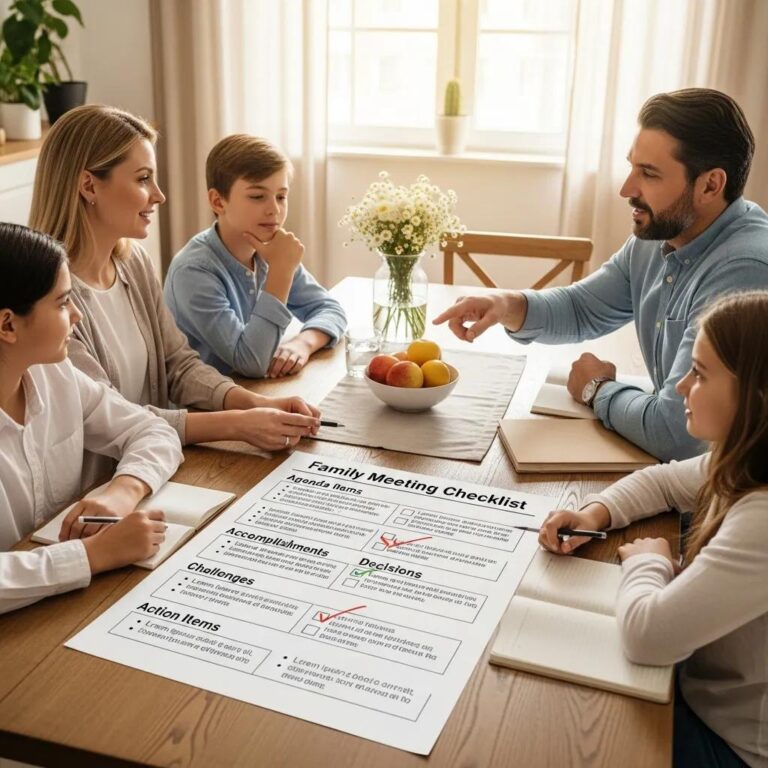

Effective Communication Techniques for Couples
Effective communication is crucial for maintaining healthy relationships. Couples often face challenges in expressing their thoughts and feelings, leading to misunderstandings and conflicts. By employing techniques such as active listening, using "I" statements, and validating each other's emotions, partners can foster a more open and supportive dialogue.
For instance, active listening involves fully concentrating on what the other person is saying rather than just waiting for your turn to speak. This practice not only enhances understanding but also builds trust. Couples can also benefit from regular check-ins where they express their feelings and concerns in a safe environment, helping to prevent issues from escalating.
Building Trust Through Transparency and Vulnerability
Trust is the cornerstone of any successful relationship, and building it requires transparency and vulnerability from both partners. When individuals share their thoughts, fears, and aspirations openly, it creates a deeper emotional connection and reinforces the bond between them.
For example, sharing personal experiences and challenges can help partners understand each other better and foster empathy. Engaging in vulnerability can be as simple as discussing past relationship hurts or future goals, which can lead to a stronger, more resilient partnership.
Conflict Resolution Strategies for Healthy Relationships
Conflict is a natural part of any relationship, but how couples handle disagreements can significantly impact their connection. Implementing effective conflict resolution strategies can help partners navigate disputes without damaging their relationship.
Techniques such as taking a timeout, focusing on the issue rather than personal attacks, and seeking compromise can help couples resolve conflicts constructively. For instance, using a "cool-off" period allows both partners to gather their thoughts and approach the discussion with a clearer mindset, ultimately leading to more productive conversations.
The Role of Emotional Intelligence in Relationships
Emotional intelligence (EI) plays a vital role in the success of relationships by enabling individuals to understand and manage their emotions as well as recognize and influence the emotions of others. High EI can enhance communication, empathy, and conflict resolution skills, leading to healthier interactions.
For example, individuals with strong emotional intelligence can better navigate challenging conversations by remaining calm and responsive rather than reactive. Practicing emotional awareness, such as recognizing triggers and managing stress, can significantly improve relationship dynamics and foster deeper connections.