

Understanding EMDR Session Guidelines for Effective Treatment
EMDR Session Guidelines: A Clear, Step-by-Step Guide to Effective Treatment
Eye Movement Desensitization and Reprocessing (EMDR) is a clinician-guided therapy that helps reduce the pain and intensity of traumatic memories. This guide describes practical session guidelines, what you can expect in therapy, and the common benefits people gain from EMDR. Choosing a treatment can feel overwhelming — EMDR offers a structured, evidence-based path many people find deeply helpful. Below we walk through the therapy process, how to prepare, the benefits, safety and professional standards, and simple ways to get the most from your sessions.
What Is the EMDR Therapy Process and How Does It Work?
EMDR is a phased, therapist-led approach that helps people process and integrate traumatic experiences. It uses bilateral stimulation — often guided eye movements — to reduce the emotional charge of distressing memories and allow new, more adaptive beliefs to form. When guided safely, EMDR supports clients in folding difficult memories into their life story in a way that reduces symptoms and builds resilience. Knowing the phases helps both you and your therapist plan clear, effective treatment.
Key Phases of an EMDR Session Explained
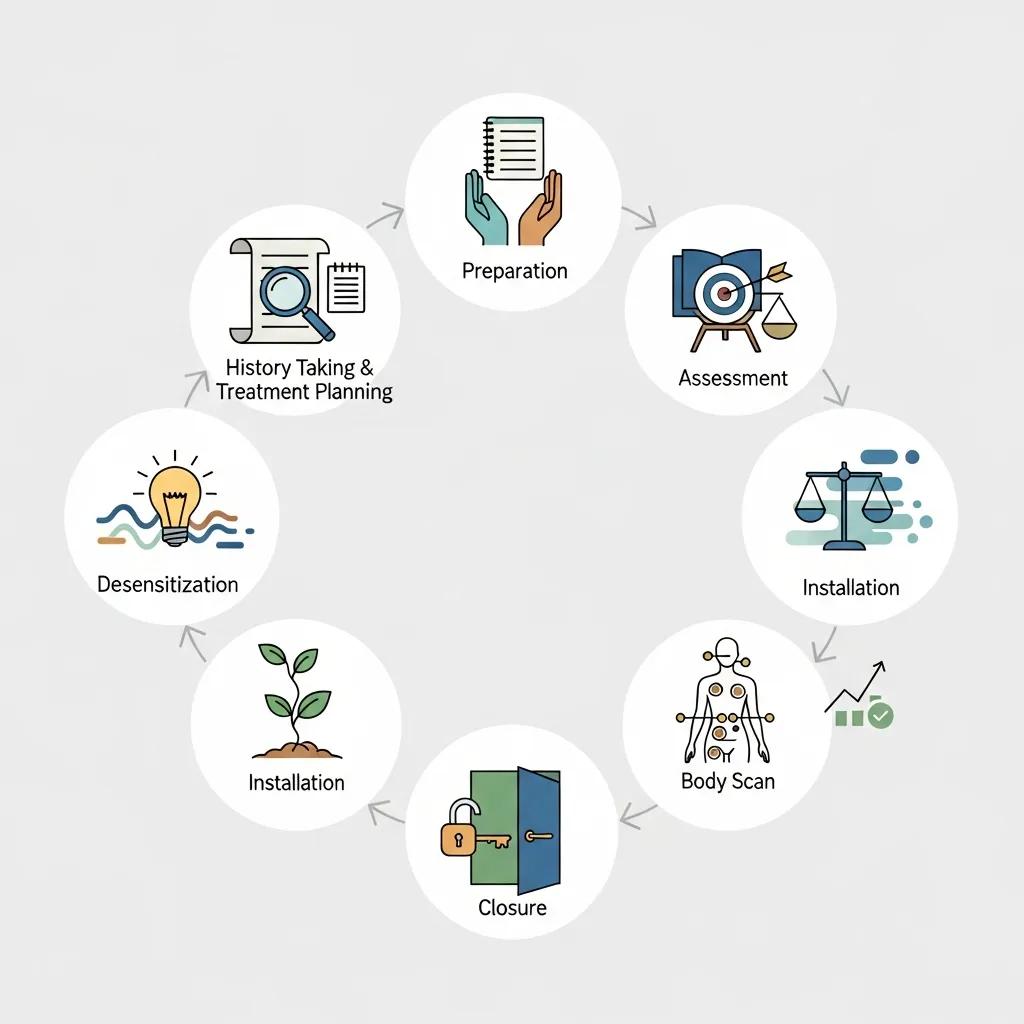
- History Taking: The therapist gathers background information and identifies specific memories or incidents to target in treatment.
- Preparation: You and the therapist review the EMDR process, build safety skills, and agree on how to stop or pace a target if needed.
- Assessment: Together you pinpoint the image, the negative belief linked to it, and a preferred positive belief to work toward.
- Desensitization: While focusing on the memory, you follow the therapist’s bilateral stimulation to reduce the memory’s emotional intensity.
- Installation: The therapist helps strengthen the chosen positive belief so it feels more true and accessible.
- Body Scan: You check for remaining physical tension connected to the memory and process whatever sensations arise.
- Closure: The therapist ensures you leave the session feeling grounded and provides strategies to manage any lingering distress.
- Reevaluation: At the start of the next session the therapist reviews progress and decides the next targets or steps.
These phases create a predictable, safe structure that supports effective processing and healing.
How EMDR Facilitates Trauma Healing and Emotional Processing
EMDR gives you a way to approach painful memories without becoming overwhelmed by them. The bilateral stimulation helps decrease the emotional intensity tied to a memory, which makes it easier to reframe how you see the event. Research supports meaningful improvements — reduced anxiety, better mood, and a stronger sense of agency are commonly reported. Clients often describe feeling lighter and more in control as they work through targeted memories.
What to Expect During an EMDR Session: Preparation and Procedure
Knowing the session flow helps reduce anxiety and increases your ability to participate fully. Sessions combine discussion, brief exercises to build safety, and guided bilateral stimulation while you focus on a chosen target.
How Should You Prepare for Your EMDR Therapy Session?
- Mental Preparation: Spend time thinking about what you want to address and what your goals for therapy are.
- Physical Comfort: Wear comfortable clothes and plan a calm, private space if sessions are remote — feeling physically at ease supports emotional work.
- Open Communication: Share any concerns, questions, or limits with your therapist before starting so they can tailor the pace and approach to your needs.
These simple steps help sessions run more smoothly and protect your sense of safety.
Typical Steps and Activities in an EMDR Session
- Initial Assessment: The therapist briefly reviews where you are and confirms the memory or issue to target.
- Bilateral Stimulation: You focus on the memory while following the therapist’s prompts for eye movements, taps, or sounds to support processing.
- Closure: The therapist helps you return to a calm state and may teach grounding skills to use between sessions.
These steps keep the work intentional and contained so healing can progress steadily.
What Are the Benefits of EMDR Treatment for Mental Health?

EMDR can produce meaningful improvements for people working through trauma and related difficulties. By targeting the memories that keep symptoms active, EMDR often reduces distress and helps people reclaim their daily lives.
Emotional and Psychological Improvements from EMDR Therapy
- Reduction in Anxiety: Many clients notice lower baseline anxiety and fewer panic-like reactions as memories lose their intensity.
- Improvement in Mood: Processing trauma can lift depressive symptoms and help restore hope and interest in life.
- Enhanced Coping Skills: Clients commonly report greater resilience and clearer strategies for managing stress after treatment.
These changes reflect EMDR’s potential to shift how memories are stored and experienced.
Long-Term Effects and Success Rates of EMDR Treatment
Research shows durable benefits for many people, especially for PTSD and trauma-related conditions. Multiple studies report strong response rates — with roughly 77–90% of people with PTSD no longer meeting diagnostic criteria after a full course of EMDR in some trials. Client stories often describe lasting relief and renewed confidence moving forward.
What Are the Essential EMDR Therapy Guidelines for Therapists and Patients?
To get the most from EMDR, therapists and clients follow clear safety and professional standards. Professional Standards and Protocols in EMDR Sessions
- Training Requirements: Therapists should be trained and credentialed in EMDR methods to deliver care that is safe and effective.
- Ethical Considerations: Maintaining confidentiality, clear informed consent, and transparent communication are fundamental to ethical EMDR practice.
These expectations support reliable, competent care. Patient Safety and Comfort Guidelines During EMDR Therapy
- Creating a Safe Environment: Always tell your therapist if you feel unsafe or need a slower pace — your comfort matters.
- Addressing Client Concerns: Therapists should listen, validate your experience, and adapt techniques when needed to maintain safety and progress.
Following these guidelines helps create a respectful, effective therapeutic relationship.
How Can You Maximize the Effectiveness of Your EMDR Sessions?
EMDR is most effective when both client and therapist stay engaged and intentional. Small practices between sessions can also strengthen outcomes.
- Regular Practice: Consistent sessions help maintain momentum and integration of what you’ve processed.
- Open Communication with Therapist: Share what’s working and what isn’t so your therapist can adjust the plan.
- Self-Care Practices: Simple routines — sleep, gentle movement, grounding, and mindfulness — support your nervous system while you heal.
These habits make therapeutic gains more likely and more sustainable.
Common Challenges and How to Overcome Them in EMDR Treatment
- Acknowledge Resistance: Noticing hesitation or fear is a normal part of change — naming it with your therapist helps you move past it.
- Utilize Coping Strategies: Grounding and breathwork are practical tools if a session feels intense.
- Seek Support: Lean on trusted friends, family, or support groups while you’re doing this work — healing is rarely done alone.
Addressing these challenges directly helps you stay engaged and reach better outcomes.
Frequently Asked Questions
What types of issues can EMDR therapy address?
EMDR is well known for treating post-traumatic stress disorder (PTSD), but it also helps with anxiety disorders, depression, phobias, complicated grief, and distress from painful life events like accidents or abuse. By targeting the emotional and cognitive impact of these memories, EMDR supports recovery and emotional resilience.
How long does an EMDR therapy session typically last?
Most EMDR sessions run 60 to 90 minutes, depending on your needs and the work planned for that day. That timeframe lets the therapist prepare, guide processing, and close the session safely. Talk with your therapist about scheduling preferences or constraints.
Is EMDR therapy suitable for children and adolescents?
Yes. EMDR can be adapted for younger clients using age-appropriate language, play, and creative techniques. Skilled therapists tailor the approach to a child’s developmental level and use engaging methods to help them process distressing memories safely.
What should I do if I feel overwhelmed during an EMDR session?
If you become overwhelmed, tell your therapist right away. They will slow the pace, use grounding strategies, or pause the memory work so you can regain safety and control. Your comfort is the priority; therapists are trained to respond to distress in-session.
How can I find a qualified EMDR therapist?
Look for therapists certified or listed by professional bodies like the EMDR International Association (EMDRIA) and ask about their training and experience. Referrals from healthcare providers, or an initial consultation to discuss approach and fit, can help you choose the right clinician.
Can EMDR therapy be combined with other treatment modalities?
Yes. EMDR is often integrated with cognitive-behavioral therapy (CBT), mindfulness practices, or medication management when appropriate. A coordinated plan that blends methods can address different needs and support a fuller recovery.
Conclusion
EMDR is a structured, evidence-informed approach that can help reduce the burden of traumatic memories and restore emotional balance. Understanding the session guidelines and actively partnering with your therapist will strengthen your progress. If you’re considering EMDR, reach out to a trained clinician to discuss whether it’s a good fit for your healing journey — it may be the step that helps you move forward with greater ease and confidence.