Understanding the Importance of Relaxation Techniques
Relaxation techniques are essential for managing stress and enhancing overall well-being. They provide practical strategies for individuals to cope with daily pressures and anxiety, fostering a sense of peace and clarity. By incorporating these techniques into daily routines, individuals can significantly improve their mental health and resilience.
Research shows that regular practice of relaxation techniques can lower cortisol levels, the hormone associated with stress, and improve emotional regulation. Techniques such as deep breathing, progressive muscle relaxation, and mindfulness can be easily integrated into various settings, making them accessible to everyone seeking relief from stress.
Integrating Mindfulness into Daily Life
Integrating mindfulness into daily life can transform how individuals respond to stressors. Mindfulness encourages awareness of the present moment, allowing individuals to observe their thoughts and feelings without judgment. This practice can lead to improved emotional regulation and reduced anxiety over time.
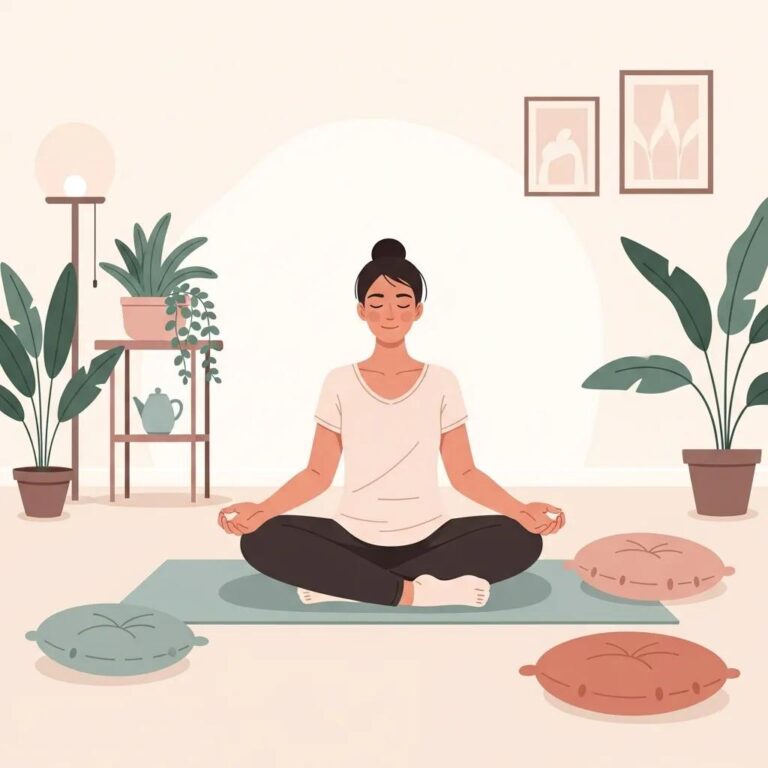
Simple mindfulness exercises, such as mindful breathing or body scans, can be practiced anywhere, whether at work, home, or during commutes. By dedicating just a few minutes each day to mindfulness, individuals can cultivate a greater sense of calm and focus, enhancing their overall productivity and well-being.
Evidence-Based Benefits of Relaxation Practices
Numerous studies highlight the evidence-based benefits of relaxation practices on mental health. These techniques not only help in reducing stress but also improve physical health by lowering blood pressure and enhancing immune function. Understanding these benefits can motivate individuals to adopt relaxation practices as part of their wellness routine.
For instance, research indicates that engaging in regular relaxation practices can lead to significant reductions in anxiety and depression symptoms. By utilizing methods such as guided imagery or yoga, individuals can experience profound changes in their mental and physical health, reinforcing the importance of these practices in therapeutic settings.
Creating a Personalized Relaxation Routine
Developing a personalized relaxation routine is crucial for effectively managing stress and anxiety. Individuals can tailor their routines to fit their lifestyles and preferences, ensuring that they remain engaged and committed to their practice. A personalized approach allows for flexibility and adaptability, which are key to long-term success.
To create a personalized routine, individuals should consider their schedule, preferred techniques, and specific stressors. Incorporating a mix of activities—such as meditation, yoga, or nature walks—can provide a comprehensive approach to relaxation. Regularly revisiting and adjusting the routine based on evolving needs can enhance its effectiveness and sustainability.