
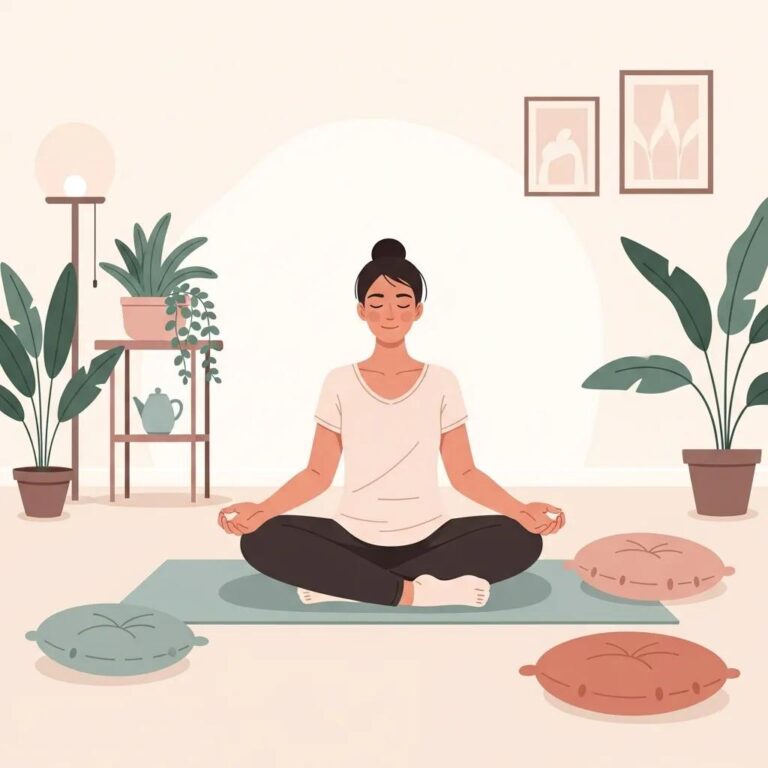
The Benefits of Progressive Muscle Relaxation
Progressive Muscle Relaxation (PMR) offers numerous benefits for individuals struggling with stress and anxiety. By systematically tensing and relaxing different muscle groups, PMR helps to reduce overall tension in the body and promote a state of calmness. This technique not only alleviates physical discomfort but also aids in mental clarity, allowing individuals to better manage their emotional responses to stressors.
Research has shown that regular practice of PMR can lead to significant improvements in anxiety levels, sleep quality, and overall well-being. For instance, studies indicate that individuals who engage in PMR report lower levels of perceived stress and improved coping strategies in challenging situations. Additionally, the practice can enhance mindfulness, making it easier to stay present and focused during stressful moments.
How to Practice Progressive Muscle Relaxation
Practicing Progressive Muscle Relaxation involves a series of steps that can be easily integrated into daily routines. To begin, find a quiet and comfortable space where you can sit or lie down without distractions. Start by taking a few deep breaths to center yourself, then progressively tense and relax each muscle group, starting from your toes and moving up to your head. This structured approach helps to cultivate awareness of bodily sensations and promotes relaxation.
For optimal results, aim to practice PMR for at least 10-15 minutes daily. You may also consider using guided audio sessions or apps that provide instructions and soothing background music to enhance your experience. Over time, you will likely find that you can achieve a deeper state of relaxation more quickly, making PMR an effective tool for managing stress and anxiety in your life.
Integrating PMR with Other Therapeutic Techniques
Integrating Progressive Muscle Relaxation with other therapeutic techniques can enhance its effectiveness and provide a more comprehensive approach to mental health. For example, combining PMR with mindfulness meditation can deepen relaxation and increase self-awareness. This synergy allows individuals to not only relax their bodies but also cultivate a non-judgmental awareness of their thoughts and feelings.
Additionally, PMR can be effectively paired with cognitive-behavioral therapy (CBT) strategies to address negative thought patterns associated with anxiety. By learning to recognize and challenge these thoughts while simultaneously practicing PMR, individuals can develop healthier coping mechanisms and improve their overall emotional resilience. This holistic approach can lead to more sustainable mental health improvements.
Common Misconceptions About Progressive Muscle Relaxation
Despite its effectiveness, there are several misconceptions about Progressive Muscle Relaxation that may prevent individuals from trying it. One common myth is that PMR is only for those with severe anxiety or stress-related disorders. In reality, anyone can benefit from practicing PMR, as it is a valuable tool for managing everyday stress and enhancing relaxation.
Another misconception is that PMR requires extensive training or experience. In fact, PMR is a straightforward technique that can be learned and practiced by anyone, regardless of their background in mental health. With just a little guidance and practice, individuals can easily incorporate PMR into their self-care routines, making it an accessible and effective method for promoting relaxation and well-being.