
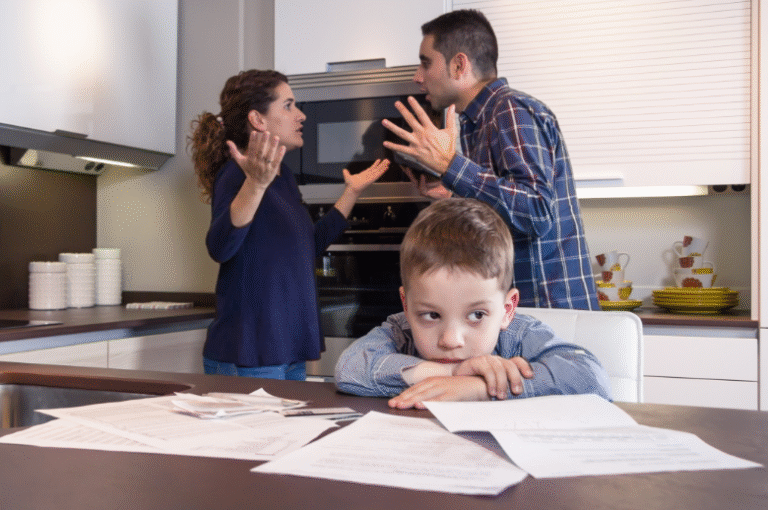
Understanding the Emotional Impact of Divorce on Children
Divorce can significantly affect children's emotional well-being, leading to feelings of confusion, anxiety, and sadness. It is crucial for parents to recognize these emotional responses and provide the necessary support to help their children navigate through these challenging times.
Research indicates that children may exhibit behavioral changes, such as withdrawal or aggression, during and after their parents' divorce. By fostering open communication and encouraging emotional expression, parents can help their children develop coping mechanisms that promote resilience and emotional health.
Effective Co-Parenting Strategies
Co-parenting after a divorce requires collaboration and communication between former partners to ensure children's needs are met. Effective co-parenting strategies focus on maintaining a unified front and prioritizing the children's well-being above personal conflicts.
Techniques such as setting consistent rules across households, scheduling regular family meetings, and utilizing shared digital calendars can enhance co-parenting effectiveness. By working together, parents can create a stable environment that supports their children's adjustment to the new family dynamics.
Resources for Parents Navigating Divorce
Numerous resources are available to assist parents in navigating the complexities of divorce and its impact on children. These resources include counseling services, support groups, and educational materials that provide guidance on managing emotional challenges.
Promoting Mental Health in Children Post-Divorce
Ensuring children's mental health remains a priority after divorce is essential for their overall development. Parents can promote mental health by encouraging positive relationships, engaging in open discussions about feelings, and seeking professional help when necessary.