
Benefits of Emotional Growth
Emotional growth is essential for personal development, as it fosters resilience, self-awareness, and improved relationships. By understanding and managing emotions, individuals can navigate life's challenges with greater ease and confidence, leading to enhanced mental well-being.
Research shows that individuals who actively engage in emotional growth tend to experience lower levels of stress and anxiety. For instance, practicing mindfulness and emotional regulation techniques can significantly improve one's ability to cope with difficult situations, ultimately contributing to a more fulfilling life.
Strategies for Enhancing Emotional Intelligence
Enhancing emotional intelligence involves a variety of strategies that can be implemented in daily life. These strategies include practicing active listening, developing empathy, and engaging in reflective practices that help individuals recognize their emotional triggers and responses.
For example, journaling about daily emotional experiences can provide insights into patterns of behavior and emotional responses. Additionally, role-playing scenarios with friends or family can help individuals practice and improve their emotional skills in real-life situations.
Supporting Emotional Development in Relationships
Healthy relationships are built on a foundation of emotional understanding and support. By prioritizing emotional development, couples can enhance their communication skills, deepen their connections, and foster a more nurturing environment for both partners.
Couples therapy often focuses on improving emotional intelligence within relationships. Techniques such as expressing appreciation, practicing vulnerability, and engaging in shared activities can strengthen emotional bonds and promote relationship satisfaction.
Parenting Approaches for Emotional Growth
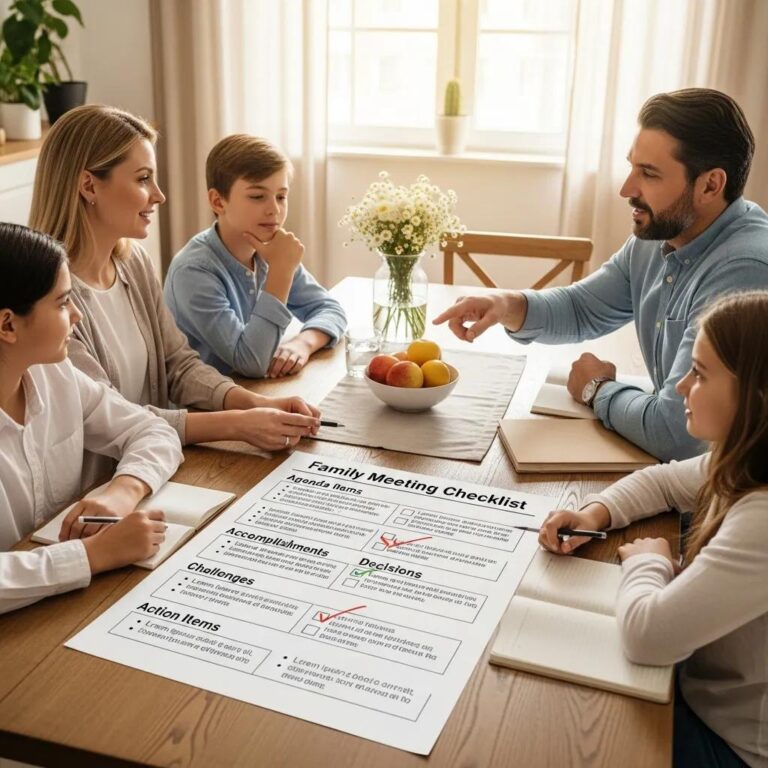
Parents play a crucial role in nurturing emotional growth in their children. By modeling emotional regulation and providing a safe space for children to express their feelings, parents can instill valuable emotional skills that last a lifetime.
Evidence-based parenting approaches, such as positive reinforcement and open communication, encourage children to articulate their emotions and develop effective coping strategies. This proactive approach not only supports emotional growth but also contributes to healthier parent-child relationships.