
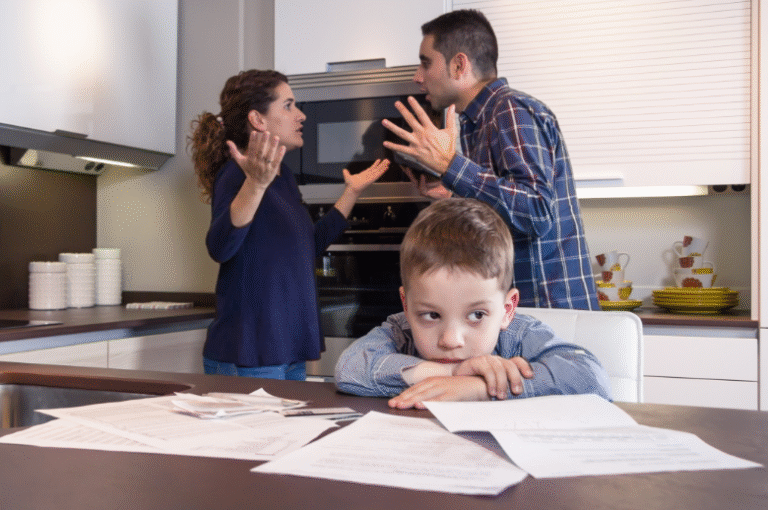
Understanding the Emotional Impact of Divorce on Children
Divorce can significantly affect children's emotional well-being, leading to feelings of confusion, sadness, and anxiety. It's crucial for parents to recognize these emotional responses and provide appropriate support to help their children navigate this challenging time.
Research shows that children may experience a range of emotions, including anger and guilt, during and after a divorce. Open communication, reassurance of love, and maintaining routines can help mitigate these feelings, fostering resilience and emotional stability in children.
Effective Co-Parenting Strategies
Co-parenting after a divorce requires collaboration and mutual respect to ensure that children's needs are prioritized. Establishing clear communication channels and consistent parenting approaches can significantly reduce conflict and create a stable environment for children.
Successful co-parenting involves setting boundaries, scheduling regular check-ins, and remaining flexible to accommodate each other's parenting styles. Resources such as co-parenting workshops and counseling can provide additional support for divorced parents navigating this complex relationship.
Resources for Divorced Parents
There are numerous resources available for divorced parents seeking guidance and support. From books and online articles to local support groups, these resources can offer valuable insights into effective parenting strategies during and after divorce.
Organizations like the American Psychological Association provide articles and tools to help parents understand the psychological effects of divorce on children. Additionally, local community centers often host workshops and support groups that can connect parents with others facing similar challenges.
Building Resilience in Children Post-Divorce
Helping children build resilience after a divorce is essential for their long-term emotional health. Parents can encourage resilience by fostering a positive outlook, teaching coping skills, and providing a supportive environment where children feel safe to express their feelings.
Activities such as mindfulness practices, engaging in hobbies, and maintaining social connections can strengthen children's coping mechanisms. Furthermore, recognizing and celebrating their achievements can boost self-esteem and promote a sense of stability in their lives.