
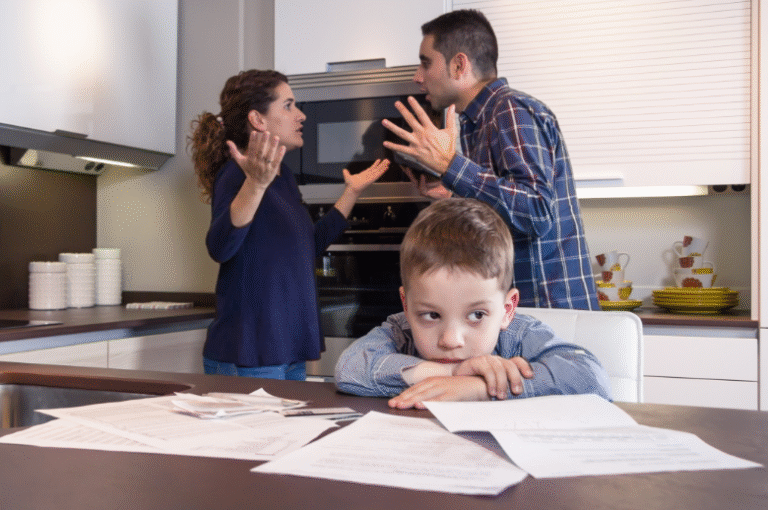
Understanding the Impact of Divorce on Children
Divorce can significantly affect children's emotional and psychological well-being. Children may experience a range of emotions, including sadness, anger, and confusion as they navigate the changes in their family structure. Understanding these impacts is crucial for parents who wish to support their children effectively during this challenging time.
Research shows that children may exhibit behavioral changes, academic struggles, or anxiety following their parents' divorce. It's essential for parents to recognize these signs and seek appropriate support, whether through counseling or open communication, to help their children process their feelings and adjust to their new reality.
Effective Co-Parenting Strategies
Co-parenting after divorce requires a strategic approach to ensure that children's needs are prioritized. Effective co-parenting strategies include maintaining open lines of communication, setting consistent rules across households, and collaborating on major decisions regarding the child's welfare. These practices help create a stable environment for children, reducing their stress and confusion.
For example, parents can establish a shared calendar to keep track of important events and appointments, ensuring that both parents are informed and involved in their child's life. Additionally, regular check-ins can help address any issues that arise, fostering a cooperative relationship that benefits the child's emotional health.
Resources for Parents Navigating Divorce
There are numerous resources available for parents navigating the complexities of divorce. From counseling services to online support groups, these resources can provide valuable guidance and community support. Utilizing these tools can help parents build effective coping strategies and enhance their understanding of child development during family transitions.
Websites like the American Psychological Association offer articles and tools specifically designed for divorced parents, while local community centers often host workshops and support groups. Engaging with these resources can empower parents to make informed decisions that promote their children's mental health and well-being.
Signs Your Child May Need Professional Support
Recognizing when a child may need professional support is crucial for their mental health. Signs can include persistent sadness, withdrawal from friends and activities, or sudden changes in behavior. Being attentive to these signs can help parents take proactive steps to seek help from a qualified mental health professional.
Early intervention can make a significant difference in a child's ability to cope with the challenges of divorce. Professional support, such as therapy, can provide children with a safe space to express their feelings and develop coping strategies tailored to their unique experiences and needs.