

Navigating Love’s Challenges: A Guide to Couples Therapy Success
Navigating Love’s Challenges: A Guide to Couples Therapy Success
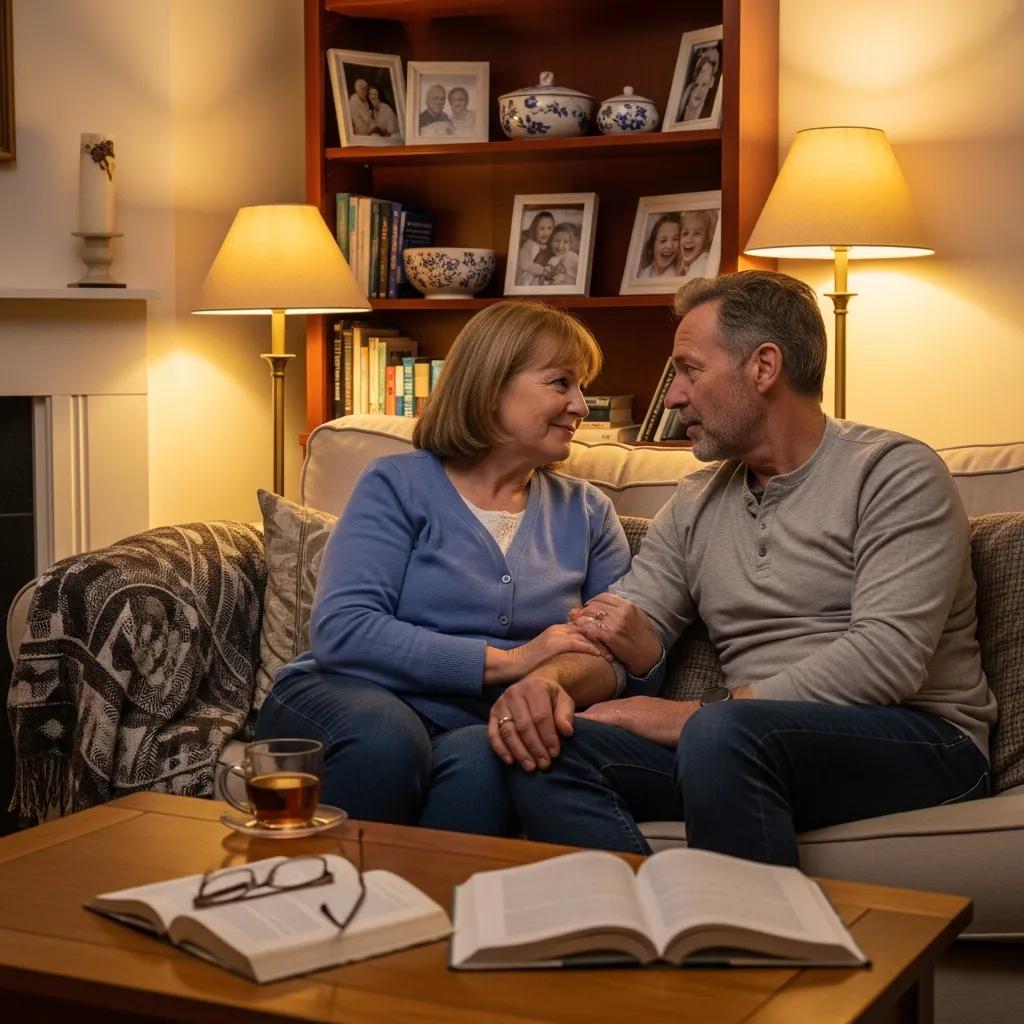
Couples therapy is more than just talking through problems—it’s about building a stronger connection when things feel tangled. When arguments, stress, or distance take over, finding a way back to understanding can seem impossible. This guide shows how couples therapy helps you both communicate better, handle tough topics, and create a partnership built to last.
Understanding the Healing Path
What Happens in Couples Therapy?
When you search for “couples therapy near me,” you’re taking the first brave step toward healing. In these sessions, a trained therapist creates a safe space where both partners can express their feelings without judgment. Unlike talking at home, where conversations might spiral into familiar arguments, therapy offers structure and guidance.
Your therapist will help you:
-
Identify harmful communication patterns
-
Learn to listen with genuine curiosity
-
Express needs clearly without blame
-
Rebuild trust after difficult periods
Most couples notice changes within 8-12 sessions, though this varies based on your specific situation and goals.
Common Issues Addressed
Couples therapy works for relationships at any stage – whether you’re dating, engaged, married, or considering separation. It helps with:
-
Communication breakdowns
-
Trust issues after betrayal
-
Intimacy and connection problems
-
Parenting disagreements
-
Financial stress and decision-making
-
Life transitions (career changes, moving, new baby)
Finding the Right Fit
When looking for couples therapy near me, consider these factors:
-
The therapist’s training in relationship-specific methods
-
Their approach and how it matches your needs
-
Practical matters like location, cost, and scheduling
-
Your comfort level during the initial consultation
Making the Most of Your Therapy
Before You Begin
Prepare for success by:
-
Discussing with your partner why you’re seeking help
-
Setting clear, realistic goals for your relationship
-
Committing to regular attendance
-
Being open to change – in yourself and your patterns
During the Process
Effective couples therapy requires:
-
Honesty, even when it feels uncomfortable
-
Patience with the process and your partner
-
Practice of new skills between sessions
-
Recognition of small improvements
Remember that progress isn’t always linear. Some sessions might feel harder than others as you work through deep-rooted issues. This is normal and often signals important breakthroughs ahead.
The Path Forward
Couples therapy offers more than just problem-solving – it provides tools for lasting relationship health. Many couples report not just resolving their initial concerns but building stronger, more resilient connections than they had before.
With professional guidance, you can move from feeling stuck and frustrated to creating a relationship that brings joy and security to both partners. The skills learned become part of your relationship toolkit, helping you navigate future challenges with greater ease and understanding.
Taking this step shows courage and commitment to your shared future. When you’re ready to find couples therapy near me, know that help is available to guide you toward the relationship you both deserve.
Couples Therapy Essentials
The foundation of effective couples therapy rests on two key pillars: how you talk to each other and how you connect emotionally. These skills don’t just fix current problems—they prevent future ones from taking root.
Building Communication Bridges
Poor communication lies at the heart of most relationship troubles. You might think you’re expressing yourself clearly, but your partner hears something completely different. This gap causes hurt feelings and defensive reactions.
Couples therapy teaches you to speak in ways your partner can truly hear. You’ll learn to replace criticism (“You never help around the house”) with specific requests (“I’d feel supported if you could handle the dishes tonight”). This simple shift can transform heated arguments into productive conversations.
The process also helps you recognize your communication triggers—those moments when calm discussion suddenly turns into conflict. Many couples are surprised to discover how childhood experiences shape these patterns. When you understand the deeper “why” behind your reactions, you gain power to choose different responses.
Your therapist will guide practice sessions where you tackle real issues using new skills. These structured conversations feel different from your usual arguments because they include built-in safeguards against old, harmful patterns.
Strengthening Emotional Connections
Many couples come to therapy feeling like roommates rather than partners. The emotional bond that once drew you together has weakened under the stress of daily life.
Rebuilding this connection starts with vulnerability. Your therapist creates a safe space where you can share feelings that might normally stay hidden—fears, hopes, and needs that run deeper than day-to-day conversations.
You’ll practice truly seeing each other again. This means going beyond listening to words and tuning into emotions. When your partner feels genuinely understood, walls come down naturally.
Small moments matter more than grand gestures. Couples therapy helps you create daily rituals that maintain your bond—a morning check-in, a genuine goodbye kiss, or five minutes of uninterrupted sharing before bed. These brief connections add up, creating a relationship that feels secure and nurturing.
Physical intimacy often improves as emotional intimacy grows stronger. Many couples find that addressing underlying relationship issues naturally enhances their physical connection without making it the primary focus of therapy.