• Skip to main content
  • Skip to footer

Dr. Lena Agree, JD, PsyD logo featuring elegant script and professional title, representing the Agree Psychology Team's focus on mental health and personal growth.Dr. Lena Agree, JD, PsyD – Licensed Psychologist and Associates

  • (248) 219-2548
  • Dr. Agree
    • Meet Dr. Agree
    • Concierge Model
  • Therapists
    • Overview
    • Aleena Hellebuyck
    • Jodi Leib Coden
  • Services
    • Individual Therapy
    • Couples Therapy
    • Child and Teen Therapy
    • Group Therapy
    • Coaching
    • Parenting Support
    • Personality Assessment
  • Working Together
    • Therapeutic Approach
    • Experience
      • Identity
      • Freedom
      • Self-Esteem
      • Peace
      • Relief
    • Your First Visit
    • Rates and Insurance
  • Resources
    • Suggested Resources
    • Blog
    • HIPAA Privacy Policy
    • FAQ’s
    • Opportunities
  • Contact Us
Managing Sibling Rivalry Effectively

Managing Sibling Rivalry Effectively

February 23, 2026 By The Agree Psychology Team

Managing Sibling Rivalry Effectively

Sibling rivalry is a common phenomenon in families, often arising from competition for parental attention, resources, or affection. Understanding the underlying causes and types of sibling conflict is crucial for parents seeking to foster a harmonious family environment. This article will explore effective strategies for managing sibling rivalry, focusing on positive parenting techniques, the role of emotional intelligence, and when to consider psychotherapy. By addressing these aspects, families can create a nurturing atmosphere that minimizes conflict and promotes healthy relationships among siblings.

What Are the Common Causes and Types of Sibling Conflict?

Sibling conflict can stem from various sources, including parental favoritism, negative communication patterns, and emotional regulation issues. Recognizing these causes is essential for parents aiming to mitigate rivalry effectively.

  1. Parental Favoritism: When parents unconsciously or consciously favor one child over another, it can lead to feelings of resentment and jealousy, fueling conflict.
  2. Negative Communication: Poor communication skills among siblings can escalate misunderstandings and arguments, making it difficult for them to resolve their differences amicably.
  3. Emotional Regulation Issues: Children often struggle to manage their emotions, leading to outbursts and conflicts when they feel threatened or insecure.

Understanding these common causes allows parents to address the root of the problem rather than just the symptoms, paving the way for healthier sibling relationships.

How Can Positive Parenting Techniques Reduce Sibling Rivalry?
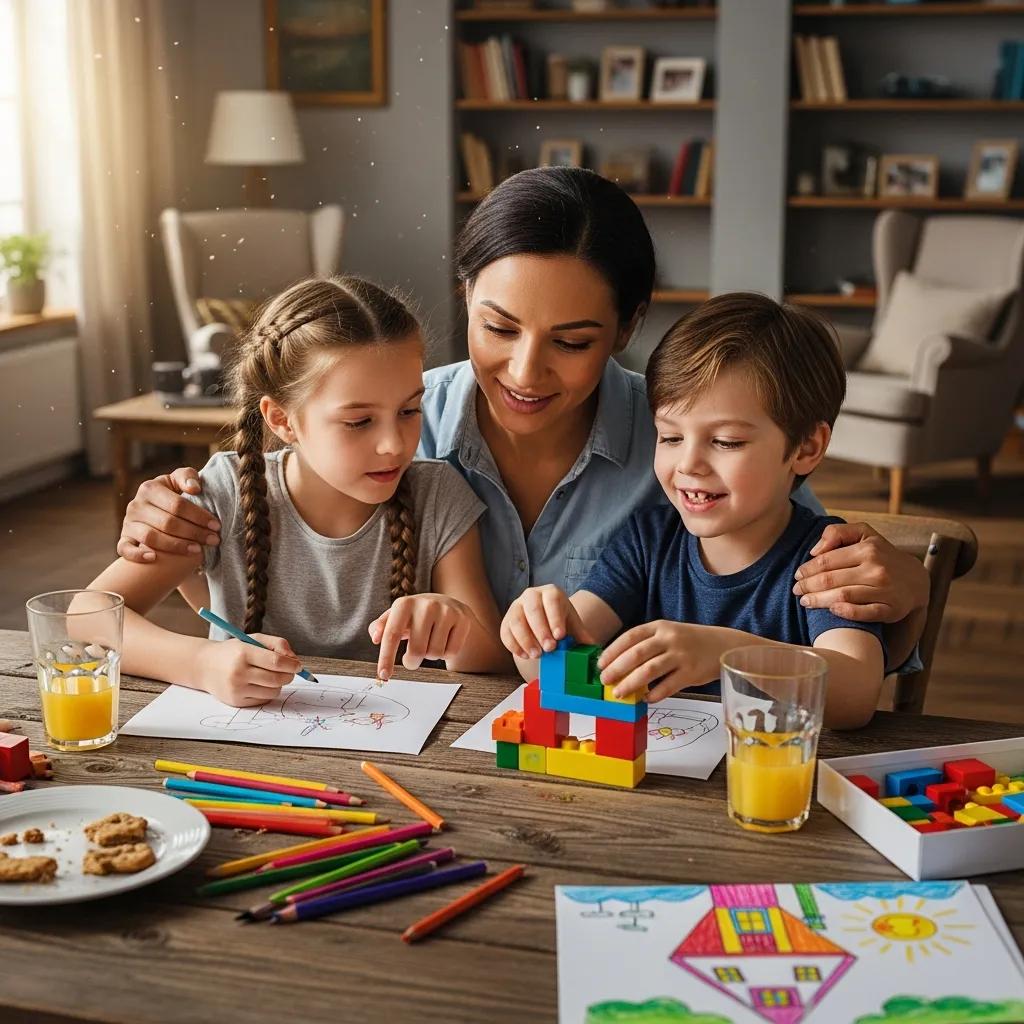
Mother assisting siblings in collaborative play with building blocks and drawing, illustrating positive parenting techniques to reduce sibling rivalry.

Positive parenting techniques can significantly reduce sibling rivalry by fostering empathy, collaboration, and structured opportunities for cooperation. Here are some effective strategies:

  1. Empathy and Acknowledgment: Encourage children to express their feelings and validate their emotions. This practice helps them feel heard and understood, reducing the likelihood of conflict.
  2. Collaborative Problem Solving: Involve siblings in discussions about conflicts and encourage them to work together to find solutions. This approach promotes teamwork and strengthens their bond.
  3. Structured Cooperative Opportunities: Create situations where siblings must work together, such as team projects or shared responsibilities. These experiences can enhance their ability to cooperate and appreciate each other.

By implementing these positive parenting techniques, families can cultivate an environment that minimizes rivalry and promotes healthy sibling relationships.

The effectiveness of such interventions is further highlighted by studies on parenting programs designed to improve sibling relationships.

Parenting Programs for Sibling Conflict & Warmth

Although parents of siblings play a crucial role in the development of both the positive and negative aspects of their children’s relationships, relatively few parenting programs specifically target sibling conflict alongside sibling warmth. To bridge this gap, the current study reports the outcomes of a randomized controlled trial evaluating a brief parenting intervention focusing on improving sibling relationships.


A randomized controlled trial of a parenting program to improve sibling relationships, ME Crane, 2023

For families looking to enhance their parenting approach, Information Hub offers resources and guidance on effective parenting strategies. Their expertise can help parents navigate the complexities of sibling dynamics and foster a more harmonious home environment.

How Emotional Intelligence Helps Resolve Sibling Rivalry

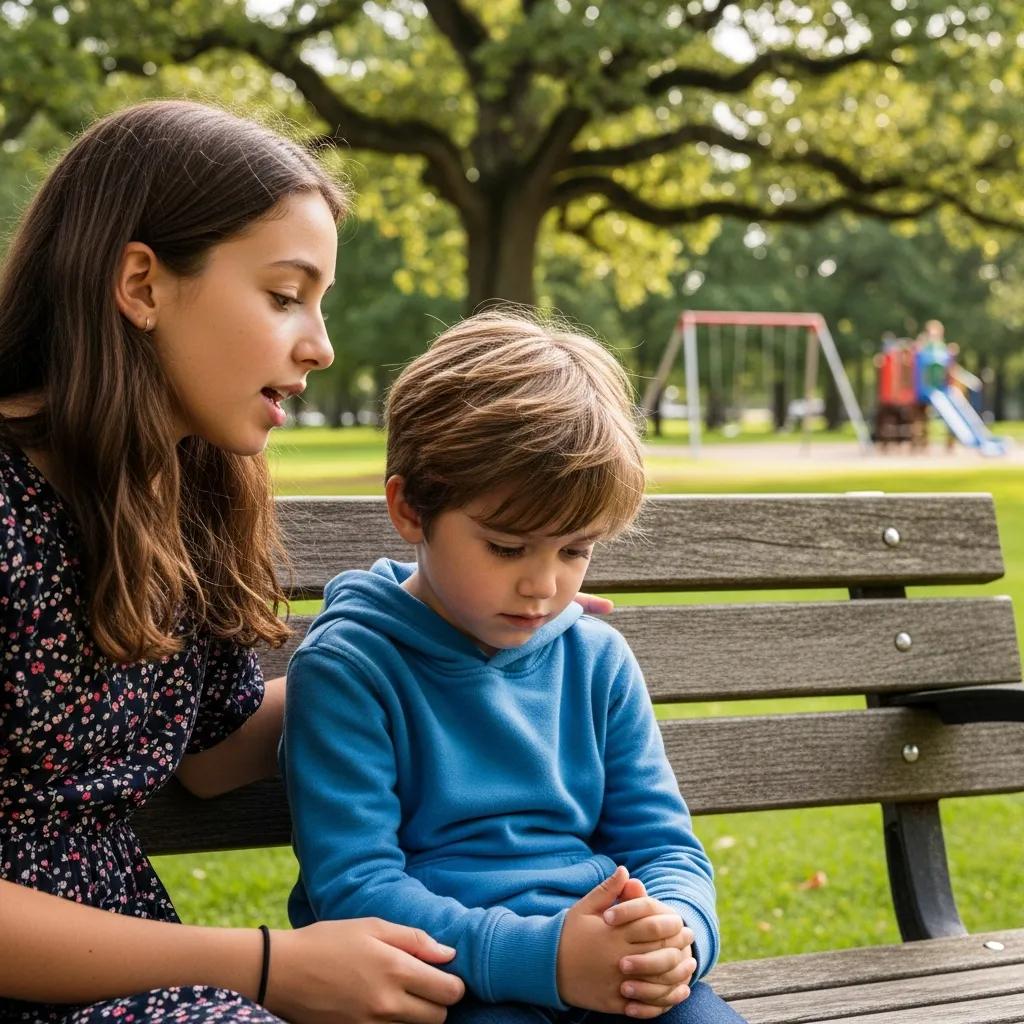
Siblings discussing feelings on a park bench, highlighting the importance of emotional intelligence

Emotional intelligence plays a pivotal role in managing sibling rivalry by equipping children with the skills to understand and regulate their emotions. Children with high emotional intelligence can empathize with their siblings, leading to more constructive interactions.

  1. Emotional Regulation: Teaching children to recognize and manage their emotions can prevent conflicts from escalating. Techniques such as deep breathing, mindfulness, or taking a break can help them calm down before addressing issues.
  2. Empathy Development: Encouraging children to consider their siblings’ perspectives fosters empathy, which can reduce feelings of jealousy and competition.
  3. Social Skills Enhancement: Developing strong social skills enables children to communicate effectively, resolve conflicts amicably, and build positive relationships with their siblings.

By nurturing emotional intelligence, parents can help their children navigate sibling relationships more effectively, reducing the frequency and intensity of conflicts.

When Should Families Consider Psychotherapy for Sibling Rivalry?

In some cases, sibling rivalry may escalate to a point where professional intervention is necessary. Families should consider psychotherapy when:

  1. Chronic Misattunement: If siblings consistently fail to understand each other’s feelings and perspectives, therapy can help them develop better communication and empathy skills.
  2. Escalating Conflict: When conflicts become frequent and intense, leading to physical altercations or emotional distress, professional guidance can provide strategies for resolution.
  3. Significant Impairment in Functioning: If sibling rivalry negatively impacts daily functioning, such as school performance, mental health, or social interactions, seeking therapy can be beneficial.

Psychotherapy can offer families the tools and support needed to address deep-rooted issues and foster healthier sibling relationships.

Written by The Agree Psychology Team· Categorized: Love and relationships, Mens issues, Women's issues

  • Return to Blog
  • Next >

Footer

Services

  • Individual Therapy
  • Couples Therapy
  • Group Therapy
  • Child and Teen Therapy
  • Coaching
  • Parenting Support
  • Personality Assessment

About

  • Meet Dr. Agree
  • Concierge Model

Therapists

  • Overview
  • Aleena Hellebuyck
  • Jessica Guobis
  • Jodi Leib Coden

Working Together

  • Therapeutic Approach
  • Identity
  • Freedom
  • Self-Esteem
  • Peace
  • Relief
  • Your First Visit
  • Rates and Insurance

Resources

  • Suggested Resources
  • Blog
  • HIPAA Privacy Policy
  • FAQ's

Contact

(248) 219-2548

800 N. Old Woodward Ave. Ste 110 Birmingham, MI 48009

Hours: Monday-Sunday:
10:00 am - 8:30 pm

Valentine Digital Marketing

Let's Connect

© 2026 Lena Agree, JD, PsyD. | Privacy • Cookies • Terms • Disclaimer

Manage Consent
To provide the best experiences, we use technologies like cookies to store and/or access device information. Consenting to these technologies will allow us to process data such as browsing behavior or unique IDs on this site. Not consenting or withdrawing consent, may adversely affect certain features and functions.
Functional Always active
The technical storage or access is strictly necessary for the legitimate purpose of enabling the use of a specific service explicitly requested by the subscriber or user, or for the sole purpose of carrying out the transmission of a communication over an electronic communications network.
Preferences
The technical storage or access is necessary for the legitimate purpose of storing preferences that are not requested by the subscriber or user.
Statistics
The technical storage or access that is used exclusively for statistical purposes.The technical storage or access that is used exclusively for anonymous statistical purposes. Without a subpoena, voluntary compliance on the part of your Internet Service Provider, or additional records from a third party, information stored or retrieved for this purpose alone cannot usually be used to identify you.
Marketing
The technical storage or access is required to create user profiles to send advertising, or to track the user on a website or across several websites for similar marketing purposes.
  • Manage options
  • Manage services
  • Manage {vendor_count} vendors
  • Read more about these purposes
View preferences
  • {title}
  • {title}
  • {title}
Dr. Lena Agree, JD, PsyD logo featuring elegant script and professional title, representing the Agree Psychology Team's focus on mental health and personal growth.Logo Header Menu
  • Dr. Agree
    • Meet Dr. Agree
    • Concierge Model
  • Therapists
    • Overview
    • Aleena Hellebuyck
    • Jodi Leib Coden
  • Services
    • Individual Therapy
    • Couples Therapy
    • Child and Teen Therapy
    • Group Therapy
    • Coaching
    • Parenting Support
    • Personality Assessment
  • Working Together
    • Therapeutic Approach
    • Experience
      • Identity
      • Freedom
      • Self-Esteem
      • Peace
      • Relief
    • Your First Visit
    • Rates and Insurance
  • Resources
    • Suggested Resources
    • Blog
    • HIPAA Privacy Policy
    • FAQ’s
    • Opportunities
  • Contact Us

Understanding Sibling Dynamics

Understanding the dynamics of sibling relationships is crucial for parents aiming to manage rivalry effectively. Siblings often share a unique bond that can oscillate between companionship and competition, influenced by various factors such as age differences, personality traits, and family environment.

For instance, older siblings may feel a sense of responsibility, while younger ones might crave attention and validation. Recognizing these dynamics helps parents tailor their approaches to nurture healthy relationships, fostering cooperation rather than conflict.

Effective Communication Strategies for Siblings

Effective communication is key in resolving sibling conflicts and fostering a supportive environment. Parents can teach children to express their feelings openly and respectfully, which can prevent misunderstandings and resentment from escalating into rivalry.

Techniques such as 'I' statements, where children express their feelings without blaming others, can enhance communication. For example, saying "I feel sad when you take my toys without asking" encourages empathy and understanding, paving the way for conflict resolution.

The Impact of Parental Involvement on Sibling Relationships

Parental involvement plays a significant role in shaping sibling relationships. Active engagement in children's lives can help parents identify signs of rivalry early and intervene appropriately, promoting harmony and cooperation among siblings.

Research indicates that families who regularly participate in joint activities, such as family game nights or collaborative projects, report lower levels of sibling rivalry. This shared time helps strengthen bonds and encourages children to work together rather than compete.

Long-Term Effects of Sibling Rivalry on Development

The long-term effects of sibling rivalry can impact emotional and social development. Children who experience chronic rivalry may struggle with relationships later in life, exhibiting issues such as trust deficits and difficulty in conflict resolution.

Conversely, siblings who learn to navigate conflicts constructively often develop stronger social skills and emotional intelligence. Understanding these long-term implications can motivate parents to adopt proactive strategies to manage sibling rivalry effectively.