

How EMDR Therapy Transforms Your Mental Health
How EMDR Therapy Can Change Your Mental Health: Benefits, Process, and What the Evidence Shows
Eye Movement Desensitization and Reprocessing (EMDR) is a research-backed therapy that offers a different route to healing from trauma, anxiety, and depression. Below we explain, in plain terms, how EMDR works, who it helps, what to expect in treatment, and how it compares to more familiar approaches like talk therapy. If you’ve felt stuck by painful memories or persistent anxiety, this guide shows how EMDR can help reprocess those memories so they lose their hold—and help you move forward with greater emotional ease.
What Is EMDR Therapy and How Does It Work?
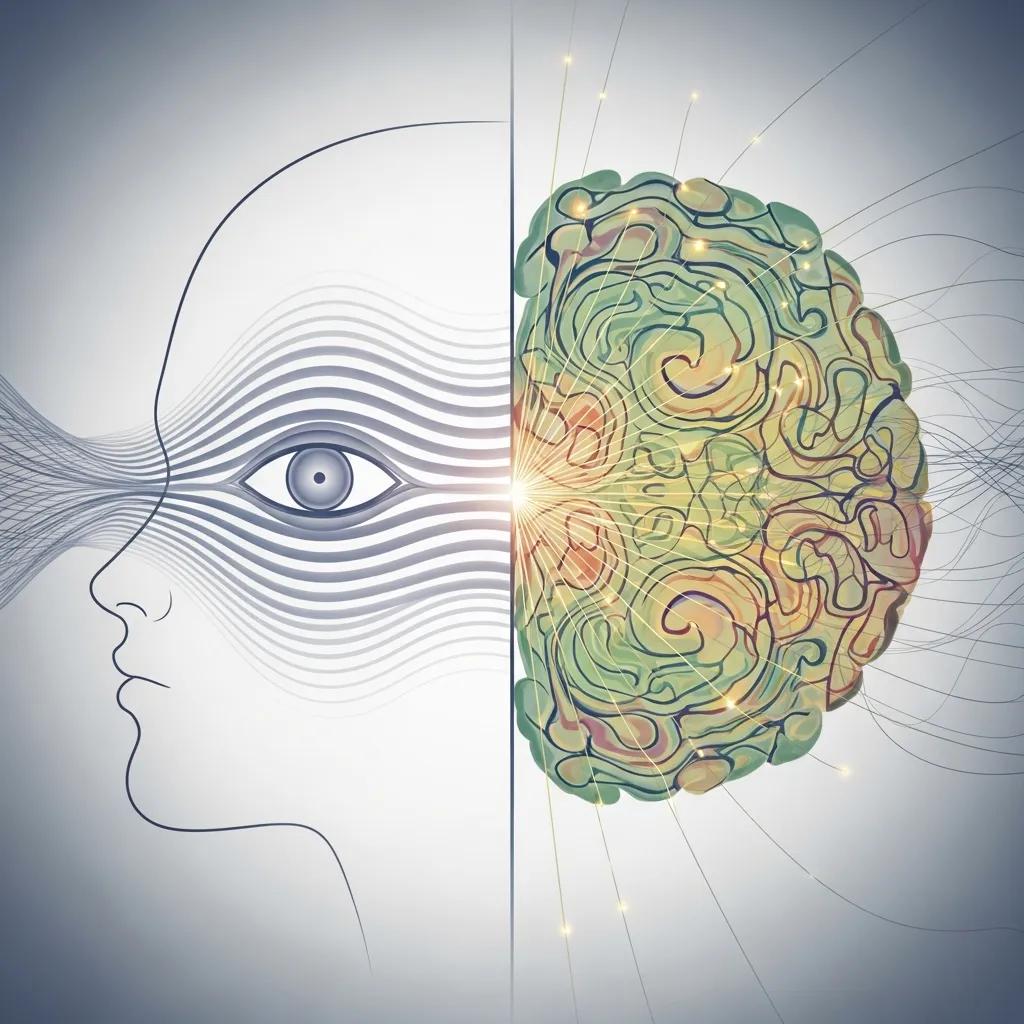
EMDR is a structured form of psychotherapy aimed at reducing the distress tied to traumatic memories. It helps you reprocess and integrate those memories so they no longer trigger the same intense reactions. A key tool in EMDR is bilateral stimulation—often guided eye movements, taps, or sounds—which appears to support the brain’s natural way of sorting and making sense of difficult experiences. The result for many clients is a noticeable reduction in symptoms and improved day‑to‑day functioning.
What Is Eye Movement Desensitization and Reprocessing Therapy?
Developed by Francine Shapiro in 1987, EMDR is built on the idea that traumatic memories can become “stuck” and continue to cause distress. During EMDR, a therapist helps you safely activate those memories while using bilateral stimulation to help the brain reprocess them. Over time, the memories often lose their intense emotional charge and become easier to live with—supporting lasting recovery rather than only temporary relief.
How Does Bilateral Stimulation Facilitate Brain Reprocessing in EMDR?
Bilateral stimulation—rhythmic left-right eye movements, sounds, or gentle taps—is central to EMDR. It’s thought to tap into the brain’s natural memory-processing mechanisms (similar to what happens during REM sleep), allowing difficult memories to be processed safely. In therapy, this reduces the emotional intensity of those memories and helps clients feel more in control of their reactions, which boosts resilience and confidence in daily life.
What Are the Key Benefits of EMDR Therapy for Mental Health?
EMDR offers several practical benefits for people dealing with trauma and related conditions. Its targeted method of addressing painful memories has made it a preferred option for many clinicians and clients.
- Reduction of PTSD Symptoms: EMDR is effective at reducing the intrusive memories, flashbacks, and hyperarousal that characterize PTSD by helping clients reprocess traumatic events.
- Alleviation of Anxiety and Depression: Clinical studies show EMDR can decrease symptoms of anxiety and depression by addressing underlying memories and maladaptive beliefs.
- Improvement in Emotional Regulation: Many clients report better emotional stability and increased ability to tolerate stress after EMDR, which supports healthier daily functioning.
To understand these benefits more clearly, it helps to look at how EMDR works for specific conditions.
How Does EMDR Therapy Reduce PTSD and Trauma Symptoms?
EMDR is among the best-studied treatments for PTSD. Research and clinical practice show that many clients see meaningful reductions in trauma symptoms—sometimes within a few sessions—because EMDR targets the memories that keep those symptoms active. As the memories are reprocessed, their emotional charge drops and clients can develop more adaptive ways of coping.
Can EMDR Therapy Alleviate Anxiety and Depression?
Yes. When anxiety and depression are connected to past painful events or entrenched negative beliefs, EMDR can help by reprocessing those core memories. Studies report symptom improvement across a range of anxiety and mood disorders, and clients often describe feeling a renewed sense of hope and clarity as underlying material is addressed.
Which Mental Health Conditions Can EMDR Therapy Effectively Treat?
While EMDR is best known for PTSD, its application extends to several other conditions where distressing memories or beliefs play a central role. Practitioners use EMDR to treat a broad set of clinical issues with measurable benefits.
- Complex Trauma and PTSD: EMDR can help people with multiple or prolonged traumatic experiences by working through layered memories in a structured way.
- Anxiety Disorders: EMDR has been used successfully for generalized anxiety, panic disorder, and specific phobias by addressing fear-based memories and responses.
- Depression: When depressive symptoms are linked to past trauma or persistent negative beliefs, EMDR can reduce the emotional weight of those memories and support recovery.
Is EMDR Therapy Suitable for Complex Trauma and PTSD?
EMDR is often well suited for complex trauma when delivered by a trained clinician. Its phased approach allows therapists to build stability and safety before processing more intense material, and many case reports and studies show meaningful improvements for people with complicated trauma histories.
How Does EMDR Address Anxiety Disorders, Phobias, and Depression?
EMDR helps by identifying the memories, triggers, and negative beliefs that maintain anxiety, phobias, or depressive patterns. Through targeted reprocessing, the emotional response to those memories weakens and healthier beliefs can be installed. This reduces avoidance, panic, and persistent negative thinking, allowing clients to function better and feel less burdened by past events.
What Is the EMDR Therapy Process and What Should Clients Expect?
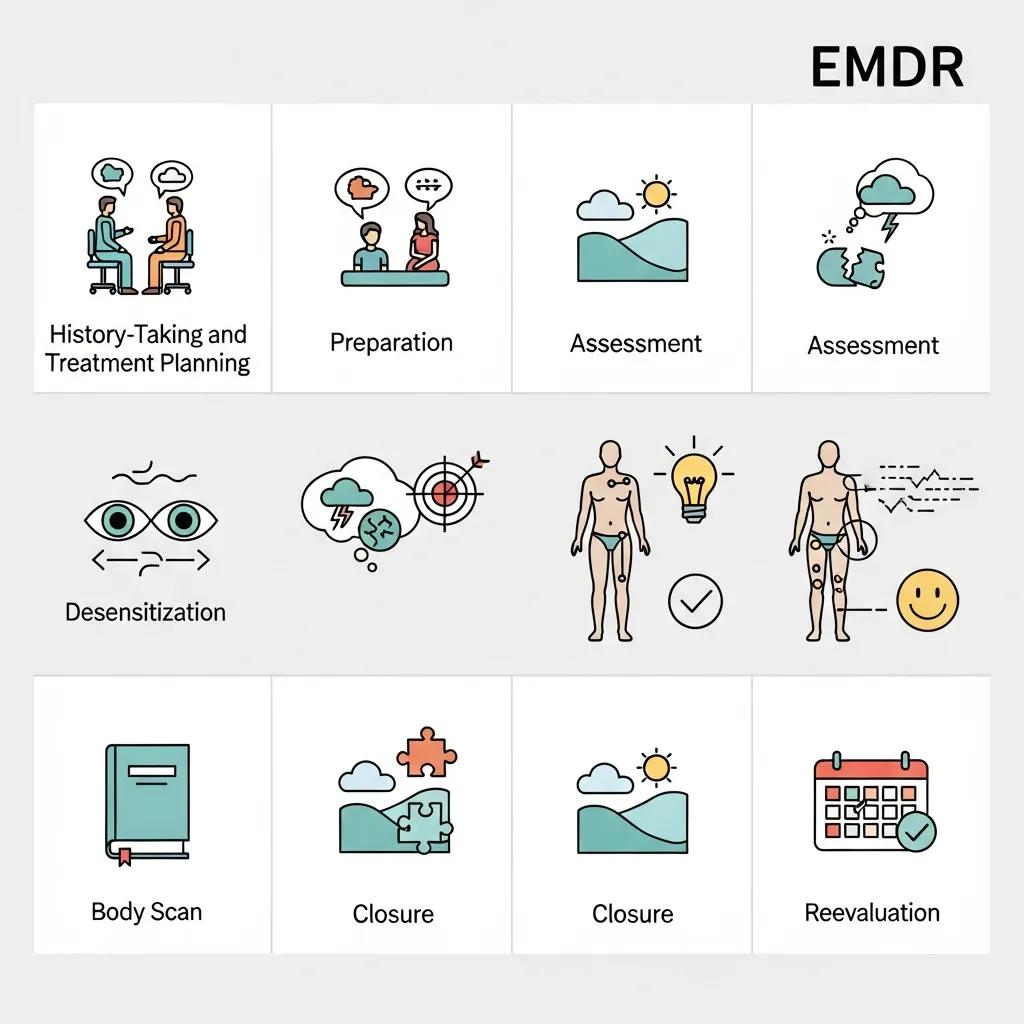
EMDR follows an eight-phase structure designed to keep the work safe and effective. Knowing these phases helps clients go into treatment with clear expectations and a sense of the step-by-step process.
- History Taking: The therapist reviews your history and identifies which memories, images, or themes will be targeted.
- Preparation: You learn about EMDR and practice coping strategies to manage distress between and during sessions.
- Assessment: Specific memories are selected and the emotions, sensations, and beliefs tied to them are assessed.
- Desensitization: While using bilateral stimulation, you recall the memory so it can be reprocessed.
- Installation: Positive, adaptive beliefs are strengthened to replace the old negative ones linked to the memory.
- Body Scan: The therapist checks for any remaining physical tension or discomfort connected to the target memory.
- Closure: Sessions end with grounding techniques so you leave feeling stable and safe.
- Re-evaluation: Progress on prior targets is reviewed in later sessions to ensure gains are lasting.
What Are the Eight Phases of EMDR Therapy?
The eight phases guide treatment from assessment through follow-up. Each phase has a clear purpose—building safety, processing memories, and consolidating gains—so clients move through healing in a contained, predictable way.
How Does the Adaptive Information Processing Model Explain EMDR’s Effectiveness?
The Adaptive Information Processing (AIP) model suggests that distressing memories get stored in a way that prevents them from being integrated into healthy memory networks. EMDR helps the brain reprocess those memories so they can be stored adaptively. When integration happens, the memories no longer trigger the same symptoms, making room for recovery and resilience.
How Does EMDR Therapy Compare to Traditional Talk Therapy?
EMDR differs from typical talk therapies by combining targeted memory processing with bilateral stimulation. While many talk therapies focus primarily on changing thoughts and behaviors through discussion and skill‑building, EMDR directly targets the memory networks that keep symptoms active—often leading to faster symptom relief for trauma‑related conditions.
What Are the Differences Between EMDR and Cognitive Behavioral Therapy?
Cognitive Behavioral Therapy (CBT) works by identifying and restructuring unhelpful thoughts and behaviors. EMDR, by contrast, focuses on reprocessing the memory traces and the emotions attached to them. Both approaches can be effective; EMDR often delivers quicker reductions in trauma‑related distress because it works more directly on the underlying memory processing.
Is EMDR Therapy More Effective or Faster Than Talk Therapy?
For some conditions—especially PTSD—research shows EMDR can produce significant improvement in fewer sessions than traditional talk therapy. That said, the best choice depends on the individual, the clinician’s expertise, and the specific goals of treatment. EMDR is a powerful option when rapid, memory‑focused change is the priority.
How Does Dr. Lena Agree’s Integrative Approach Enhance EMDR Therapy?
Dr. Lena Agree and her team use an integrative approach that blends EMDR with other therapeutic tools tailored to each client. This personalized model ensures that EMDR is applied within a broader care plan that supports safety, skill‑building, and durable change.
How Is EMDR Incorporated into a Personalized Concierge Psychology Model?
In Dr. Agree’s concierge psychology model, EMDR is one component of a customized treatment plan. The approach centers on individual needs—combining EMDR with skills training, psychoeducation, and other evidence‑based techniques so clients receive coordinated care that addresses their whole experience.
What Role Does Dr. Agree’s Expertise Play in EMDR Therapy Success?
Dr. Lena Agree’s clinical experience and training inform how EMDR is delivered—helping clients move through complex material safely and efficiently. Her skill in tailoring interventions to each person’s history and goals supports stronger outcomes and a more compassionate therapy experience.
EMDR Therapy Benefits Overview
| Benefit | Description | Evidence Level |
|---|---|---|
| Reduction of PTSD Symptoms | EMDR helps decrease intrusive memories, avoidance, and hyperarousal by reprocessing traumatic events. | High (multiple studies) |
| Alleviation of Anxiety and Depression | EMDR can reduce anxiety and depressive symptoms by addressing underlying traumatic memories and negative beliefs. | Moderate to High (clinical trials and meta-analyses) |
| Improvement in Emotional Regulation | EMDR supports greater emotional stability and coping skills, helping clients manage stress more effectively. | Moderate (case studies and clinical observations) |
Key Takeaways on EMDR Therapy
EMDR is a well‑established, targeted therapy that helps people reprocess painful memories so those memories lose their disruptive power. Paired with skilled clinicians—like Dr. Lena Agree and her team—it can speed recovery from PTSD and help with anxiety and depression tied to past experiences. Understanding how EMDR works, what to expect, and how it fits into a personalized care plan will help you decide whether it’s the right path for your healing.
Frequently Asked Questions
What should I expect during my first EMDR therapy session?
Your first session will focus on assessment and building safety. The therapist will ask about your history, identify concerns you want to address, explain the EMDR process and phases, and teach grounding skills so you feel secure before any memory‑processing begins.
How long does EMDR therapy typically take to show results?
Results vary by person and the complexity of the issues. Many people notice meaningful change after a few targeted sessions—especially for single-event trauma—but complex or longstanding concerns may require more sessions. Commonly, treatment plans range from around 6–12 sessions, adjusted for individual progress and goals.
Are there any side effects or risks associated with EMDR therapy?
EMDR is generally safe, but processing difficult memories can lead to temporary increases in emotional intensity, vivid recall, or fatigue. Therapists provide stabilizing techniques and monitor reactions closely—communicating openly with your clinician helps manage any temporary discomfort and keep work productive and safe.
Can children undergo EMDR therapy, and how does it differ from adult treatment?
Children can benefit from EMDR. Therapists adapt methods to a child’s developmental level—often using play, drawing, or storytelling to access memories—and tailor bilateral stimulation and pacing so the work stays comfortable and engaging.
How can I find a qualified EMDR therapist?
Look for licensed mental health professionals with formal EMDR training and certification. Directories such as the EMDR International Association (EMDRIA) or the EMDR Institute list trained clinicians. Ask about experience with your specific concerns and request an initial consultation to see if the therapist’s approach feels like a good fit.
Is EMDR therapy covered by insurance?
Many insurance plans cover EMDR when provided by a licensed clinician, but coverage varies by policy and provider. Check with your insurer about benefits and any authorization requirements. If insurance isn’t available, some clinicians offer sliding-scale fees or payment plans—ask about options during your first contact.
Conclusion
EMDR therapy offers a focused, evidence‑based way to reduce the hold that traumatic memories have on your life. By reprocessing those memories in a safe, structured way—and combining EMDR with individualized care—many people regain emotional balance and a clearer sense of forward momentum. If you’re considering treatment, reach out to a qualified therapist to discuss whether EMDR fits your needs and goals.