

Bullying Prevention & Support for Children
Bullying Prevention & Support for Children: Understanding Effects and Effective Strategies
Bullying is a pervasive issue that affects children across various environments, leading to significant emotional and psychological consequences. This article aims to provide a comprehensive understanding of bullying prevention and support strategies for children, focusing on the effects of bullying and effective interventions. Readers will learn about the emotional and psychological impacts of bullying, effective prevention strategies, and how parents can recognize and respond to bullying, including cyberbullying. Additionally, we will explore the support options available for bullied children and teens, emphasizing the importance of emotional support and professional resources. By addressing these critical areas, we can better equip ourselves to combat bullying and support affected children.
What Are the Emotional and Psychological Effects of Bullying on Children?
Bullying can have profound emotional and psychological effects on children, leading to long-term mental health issues. Victims often experience anxiety, depression, and a decline in self-esteem, which can hinder their overall development. Understanding these effects is crucial for parents, educators, and communities to provide the necessary support and interventions.
How Does Bullying Impact a Child's Mental Health and Well-being?
Bullying significantly impacts a child’s mental health, often leading to anxiety and depression. Research indicates that children who are bullied are more likely to experience social withdrawal and feelings of isolation. These mental health challenges can manifest in various ways, including changes in behavior, academic performance, and social interactions. Addressing these issues early is essential to mitigate long-term consequences.
What Are the Long-Term Consequences of Childhood Bullying?
The long-term consequences of childhood bullying can extend into adulthood, affecting relationships, career opportunities, and overall well-being. Studies show that individuals who were bullied as children may struggle with trust issues and have difficulty forming healthy relationships. Additionally, they may face challenges in their professional lives, including lower job satisfaction and increased stress. Recognizing these potential outcomes highlights the importance of effective bullying prevention and intervention strategies.
Further research underscores the enduring impact of childhood bullying on mental health and relationships into adulthood.
Long-Term Mental Health & Relationship Impacts of Childhood Bullying
Childhood bullying is a well-known public health problem world-wide. Research has described numerous health and mental health effects on victims, bullies, and bystanders. While there are studies of contemporaneous consequences, there is still much to be discovered in terms of the impact of childhood bullying lasting into adult life. This qualitative inquiry investigated the aftermath of childhood bullying for young adults in terms of their health, mental health, and relationship issues. Content analysis revealed lasting consequences in (a) mental and psychological well-being (b) eating disorders, weight, and body image, and (c) relationship and trust issues. Understanding the aftermath of childhood bullying is important in informing bullying interventions and maintaining a focus on early prevention efforts.
Consequences of childhood bullying on mental health and relationships for young adults, EW DeLARA, 2019
Which Bullying Prevention Strategies Are Most Effective for Children?
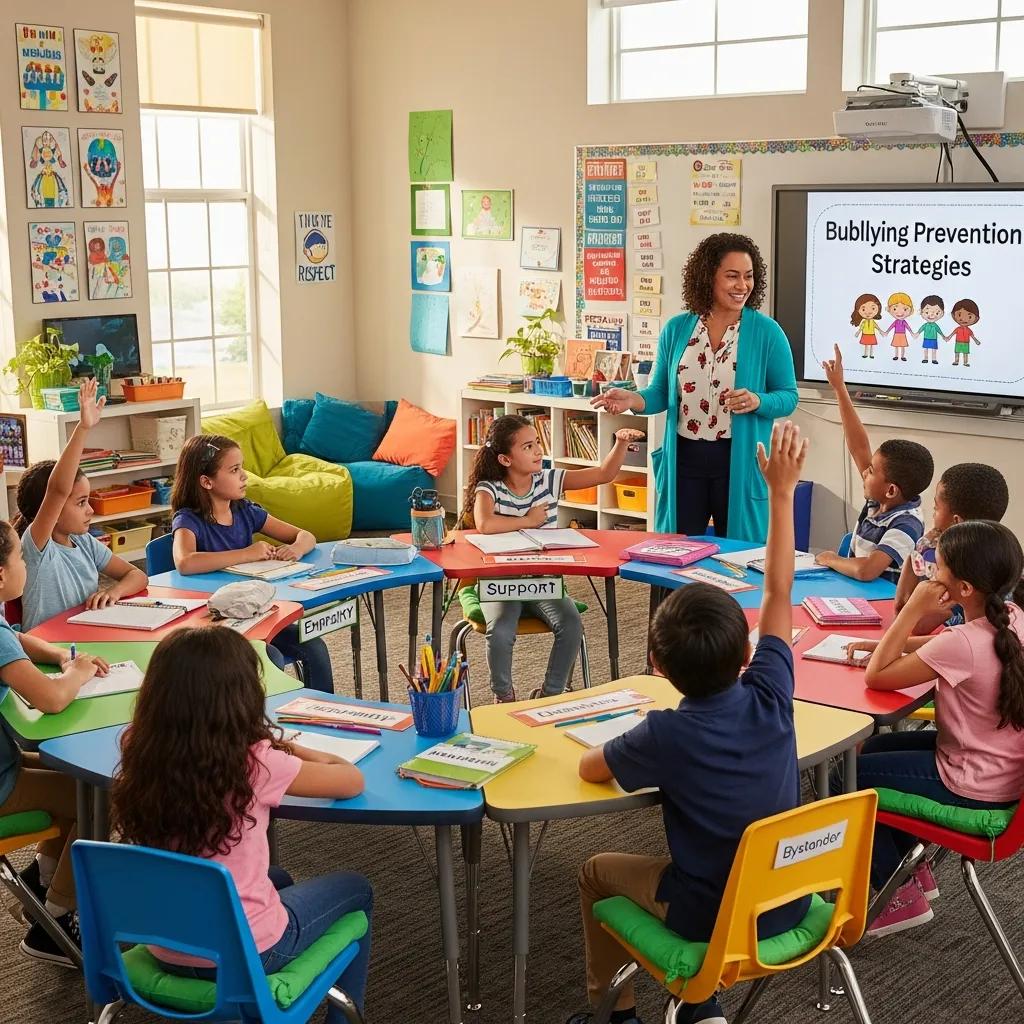
Effective bullying prevention strategies involve a collaborative approach that includes schools, parents, and communities. By implementing comprehensive programs, we can create safer environments for children and reduce the incidence of bullying.
How Can Schools Implement Successful Bullying Prevention Programs?
Schools play a critical role in preventing bullying by establishing clear policies and programs that promote a positive school culture. Successful programs often include training for staff, awareness campaigns, and student-led initiatives that encourage empathy and respect. Engaging students in the development of these programs fosters a sense of ownership and responsibility, making them more effective.
Studies have consistently shown the effectiveness of well-structured school-based anti-bullying programs in reducing both bullying and victimization.
Effective School-Based Anti-Bullying Programs & Strategies
This article presents a systematic review and meta-analysis of the effectiveness of anti-bullying programs in schools. The meta-analysis of these 44 evaluations showed that, overall, school-based anti-bullying programs are effective: on average, bullying decreased by 20–23% and victimization decreased by 17–20%. Program elements and intervention components that were associated with a decrease in bullying and victimization were identified, based on feedback from researchers about the coding of 40 out of 44 programs. More intensive programs were more effective, as were programs including parent meetings, firm disciplinary methods, and improved playground supervision.
Effectiveness of school-based programs to reduce bullying: A systematic and meta-analytic review, MM Ttofi, 2011
What Role Do Parents and Communities Play in Preventing Bullying?
Parents and communities are essential partners in bullying prevention. By fostering open communication and encouraging children to speak about their experiences, parents can help identify bullying situations early. Community involvement, such as workshops and support groups, can also provide resources and strategies for families to address bullying effectively. Collaborative efforts between schools and families create a united front against bullying.
How Can Parents Recognize and Respond to Cyberbullying?
Cyberbullying presents unique challenges for parents, as it often occurs outside of their immediate supervision. Understanding the signs of cyberbullying and knowing how to respond is crucial for protecting children in the digital age.
What Are the Signs of Cyberbullying in Children and Teens?
Recognizing the signs of cyberbullying is the first step in addressing the issue. Common indicators include:
- Behavioral Changes: Sudden changes in behavior, such as withdrawal from friends or activities, can signal that a child is being bullied online.
- Emotional Distress: Increased anxiety, depression, or mood swings may indicate that a child is experiencing cyberbullying.
- Changes in Online Activity: A child may become secretive about their online interactions or show reluctance to use their devices.
Being vigilant about these signs can help parents intervene early and provide the necessary support.
What Practical Steps Can Parents Take to Help Their Children Online?
Parents can take several practical steps to help their children navigate online interactions safely:
- Open Communication: Encourage children to share their online experiences and feelings without fear of judgment.
- Monitoring Online Activity: Use parental controls and monitoring tools to keep track of children’s online interactions while respecting their privacy.
- Educating About Cyberbullying: Teach children about the importance of digital citizenship and the impact of their online behavior on others.
By fostering a supportive environment, parents can empower their children to handle cyberbullying effectively.
Research suggests that parental autonomy-supportive strategies are particularly effective in preventing cyberbullying behaviors among adolescents.
Parental Autonomy Support for Cyberbullying Prevention
Little is known about how parents may protect against cyberbullying, a growing problem-behavior among youth. Parents who used more autonomy-supportive strategies—understanding the adolescent’s perspective, offering choice, and giving rationales for prohibitions—had adolescents who reported engaging in less cyberbullying than parents who used controlling strategies (especially using guilt, shame, and conditional regard). The potential benefits of interventions aimed at increasing parental autonomy support for reducing cyberbullying and other problem behaviors in adolescents.
Parenting strategies and adolescents’ cyberbullying behaviors:
Evidence from a preregistered study of parent–child dyads, N Legate, 2019
What Support Options Are Available for Bullied Children and Teens?

Support options available for bullied children and teens include child and teen therapy, which addresses issues such as bullying and peer pressure. This therapy provides a safe space for young individuals to express their feelings and develop coping skills through creative approaches like art, play, and storytelling.
How Can Emotional Support Help Children Recover from Bullying?
Emotional support can help children recover from bullying by providing a safe space for them to express their feelings and experiences. Therapy tailored for children and teens often includes creative methods like art and storytelling, which can help them articulate emotions they may struggle to verbalize. This supportive environment fosters emotional growth, allowing children to build resilience and coping skills that are essential for overcoming the effects of bullying. Additionally, therapy can address issues such as anxiety, depression, and peer pressure, which are often exacerbated by bullying experiences.
What Professional Resources and Counseling Services Are Recommended?
The recommended professional resources and counseling services include:
- Individual Therapy: One-on-one sessions focusing on personal experiences and coping strategies.
- Family Therapy: Support for families dealing with the effects of bullying on relationships.
- Child and Teen Therapy: Specialized therapy addressing the unique needs of younger individuals.
- Group Therapy: Peer support groups that allow children to share experiences and strategies.
- Coaching: Skills development for resilience and self-advocacy.
- Parenting Support: Guidance for parents on how to support their children effectively.
- Personality Assessment: Tools to understand individual strengths and challenges.
For more information, you may refer to the resources section on Dr. Lena Agree’s website.
How Does Bullying Affect Academic Performance and Social Development?
Bullying can significantly impact a child’s academic performance and social development, leading to long-term consequences that affect their future.
In What Ways Does Bullying Influence a Child’s School Experience?
Children who experience bullying often face attendance issues, decreased engagement in school activities, and a decline in academic performance. The stress and anxiety associated with bullying can make it difficult for children to concentrate and participate in class, leading to lower grades and a negative school experience. Addressing bullying is essential for ensuring that children can thrive academically and socially.
How Can Educators Support Students Experiencing Bullying?
Educators play a vital role in supporting students who experience bullying. Creating a safe and inclusive classroom environment is crucial. Strategies include:
- Establishing Clear Policies: Implementing anti-bullying policies that outline consequences for bullying behavior.
- Encouraging Reporting: Fostering an environment where students feel safe reporting bullying incidents.
- Providing Support: Offering counseling and support services for affected students to help them cope with their experiences.
By actively supporting students, educators can help mitigate the effects of bullying and promote a positive school culture.
What Are the Signs That a Child Is Being Bullied?
Identifying the signs that a child is being bullied is crucial for early intervention and support. Parents and teachers should be aware of behavioral and emotional indicators.
How Can Parents and Teachers Identify Behavioral Changes?
Behavioral changes can be significant indicators that a child is experiencing bullying. Parents and teachers should look for:
- Withdrawal: A previously outgoing child may become withdrawn or socially avoidant.
- Declines in Academic Performance: Sudden drops in school performance or engagement can signal distress.
- Increased Clinginess: Children may become more attached or dependent on caregivers.
Recognizing these changes can help adults provide the necessary support and intervention.
What Physical and Emotional Indicators Should Be Noticed?
Physical and emotional indicators to notice include:
- Regressions: Behaviors such as bedwetting or thumb-sucking may reappear.
- Sleep Problems: Difficulties in sleeping or changes in sleep patterns.
- Physical Complaints: Frequent stomachaches or headaches, especially on school days.
- Amplified Perfectionism and Hypervigilance: Increased attention to detail or anxiety about performance.
- Changes in Peer Relationships: Sudden loss of friends or reluctance to engage in social activities.
These indicators can suggest unmet emotional needs or responses to environmental stressors.
How Can Children Build Resilience Against Bullying?
Children can build resilience against bullying by developing coping strategies and emotional strength. Resilience is crucial for navigating the challenges associated with bullying.
- Encouraging Open Dialogue: Creating a safe space for children to express their feelings about bullying.
- Validating Emotions: Acknowledging and normalizing their experiences related to bullying.
- Promoting Self-Compassion: Teaching children to be kind to themselves during difficult times.
- Modeling Vulnerability and Courage: Parents can demonstrate emotional honesty and resilience, showing that it’s okay to face challenges.
These strategies help children develop emotional growth and self-acceptance, which are crucial for resilience.
What Skills Help Children Cope with Bullying Situations?
Coping skills are essential for children facing bullying. Some effective skills include:
- Assertiveness: Teaching children to stand up for themselves in a respectful manner.
- Problem-Solving: Encouraging children to think critically about how to address bullying situations.
- Emotional Regulation: Helping children manage their emotions effectively during stressful encounters.
By equipping children with these skills, we can empower them to handle bullying situations more effectively.
How Can Empowerment and Self-Esteem Reduce Bullying Impact?
Empowerment and self-esteem play a significant role in reducing the impact of bullying. Strategies to enhance self-esteem include:
- Positive Reinforcement: Encouraging children to recognize their strengths and achievements.
- Goal Setting: Helping children set and achieve personal goals to build confidence.
- Supportive Relationships: Fostering connections with peers and adults who provide encouragement and support.
By focusing on empowerment, children can develop a stronger sense of self-worth, making them less vulnerable to the effects of bullying.
What Legal Protections and Policies Exist to Prevent Bullying in Schools?
Legal protections and policies are essential for creating safe school environments. Understanding these laws can help parents advocate for their children effectively.
What Are the Key Anti-Bullying Laws Affecting Children?
Key anti-bullying laws vary by state but generally include provisions that require schools to implement anti-bullying policies, provide training for staff, and establish reporting mechanisms for students. These laws aim to create a safe educational environment for all students.
How Can Parents Advocate for Safer School Environments?
Parents can advocate for safer school environments by:
- Engaging with School Boards: Attending meetings and voicing concerns about bullying policies.
- Collaborating with Other Parents: Forming support groups to address bullying collectively.
- Educating Themselves: Understanding local laws and policies to effectively advocate for their children.
By taking an active role, parents can help ensure that schools prioritize bullying prevention and create a supportive atmosphere for all students.