
The bond between grandparents and grandchildren is a unique and enriching relationship that can significantly enhance emotional well-being for both generations. Strengthening these connections fosters a sense of belonging and support, which is crucial for mental health. This article explores various strategies to enhance these intergenerational relationships, focusing on effective communication, shared activities, and wellness practices. Many families face challenges in maintaining these bonds due to distance or busy lifestyles, but with intentional efforts, they can cultivate deeper connections. We will discuss how intergenerational communication can improve relationships, family bonding activities that strengthen connections, wellness tips for grandparents, and the mental health benefits of these relationships.
Indeed, the evolving role of grandparents in family structures is a significant factor in children’s emotional growth.
Grandparents’ Role in Children’s Emotional Development
One of the most remarkable shifts is the enhancing participation of grandparents dealing with their grandchildren – the expanding prevalence of intergenerational living arrangements.
The Impact of Grandparents and Intergenerational Living on Children’s Social and Emotional Development, 2024
Intergenerational communication plays a vital role in enhancing the relationship between grandparents and grandchildren. By fostering open dialogue, both parties can share experiences, values, and emotions, which builds trust and understanding. Effective communication helps in emotional regulation, allowing both generations to express their feelings and resolve conflicts more effectively. This connection not only strengthens their bond but also promotes a sense of security and belonging.
Further research underscores the importance of understanding specific strategies for effective intergenerational communication within family units.
Intergenerational Communication Strategies for Families
This study aims to explore intergenerational communication strategies applied by parents in nurturing their children’s households after marriage, particularly within the collectivist cultural context of Indonesia.
Intergenerational Communication: Parental Strategies in Guiding Their Children’s
Households, T Bahfiarti, 2025
To improve emotional communication, grandparents and grandchildren can employ several techniques:
These techniques create a safe space for sharing thoughts and feelings, enhancing the overall quality of their interactions.
For families seeking additional support, psychotherapy can provide valuable tools and strategies to improve family dynamics and emotional well-being.
Psychotherapy can be a valuable resource for families looking to improve their communication dynamics. It provides a structured environment where family members can express their feelings and concerns openly. Therapy can help reduce family conflict by teaching effective communication strategies and conflict resolution skills. This professional support can lead to healthier family dynamics, ultimately strengthening the bonds between grandparents and grandchildren.
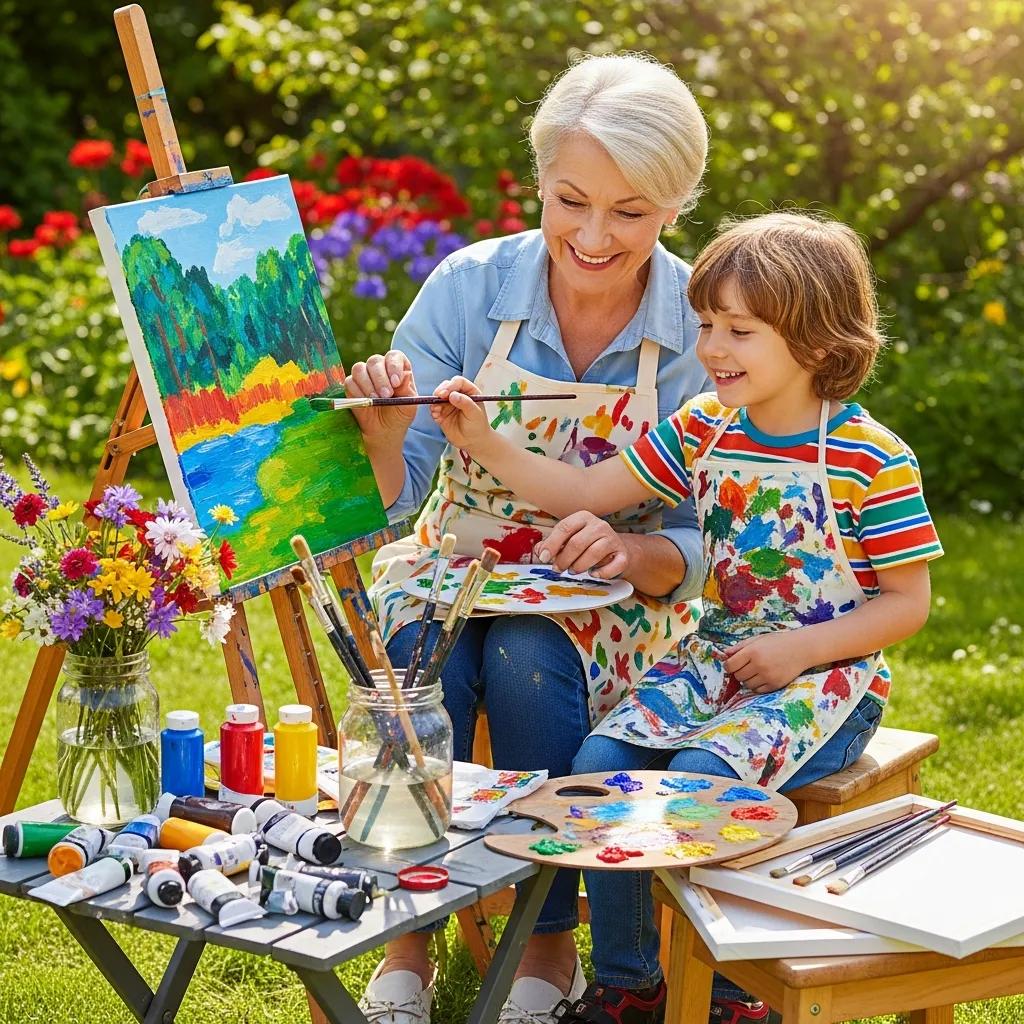
Engaging in family bonding activities is essential for nurturing the relationship between grandparents and grandchildren. These shared experiences create lasting memories and deepen emotional connections.
Several activities can foster emotional connections, including:
These activities not only promote interaction but also provide opportunities for meaningful conversations.
Incorporating wellness and lifestyle practices into family routines can significantly enhance the bond between grandparents and grandchildren. Planning shared meals and engaging in exercise routines together can create a sense of teamwork and mutual support. These practices not only improve physical health but also foster emotional well-being, making the family unit stronger.
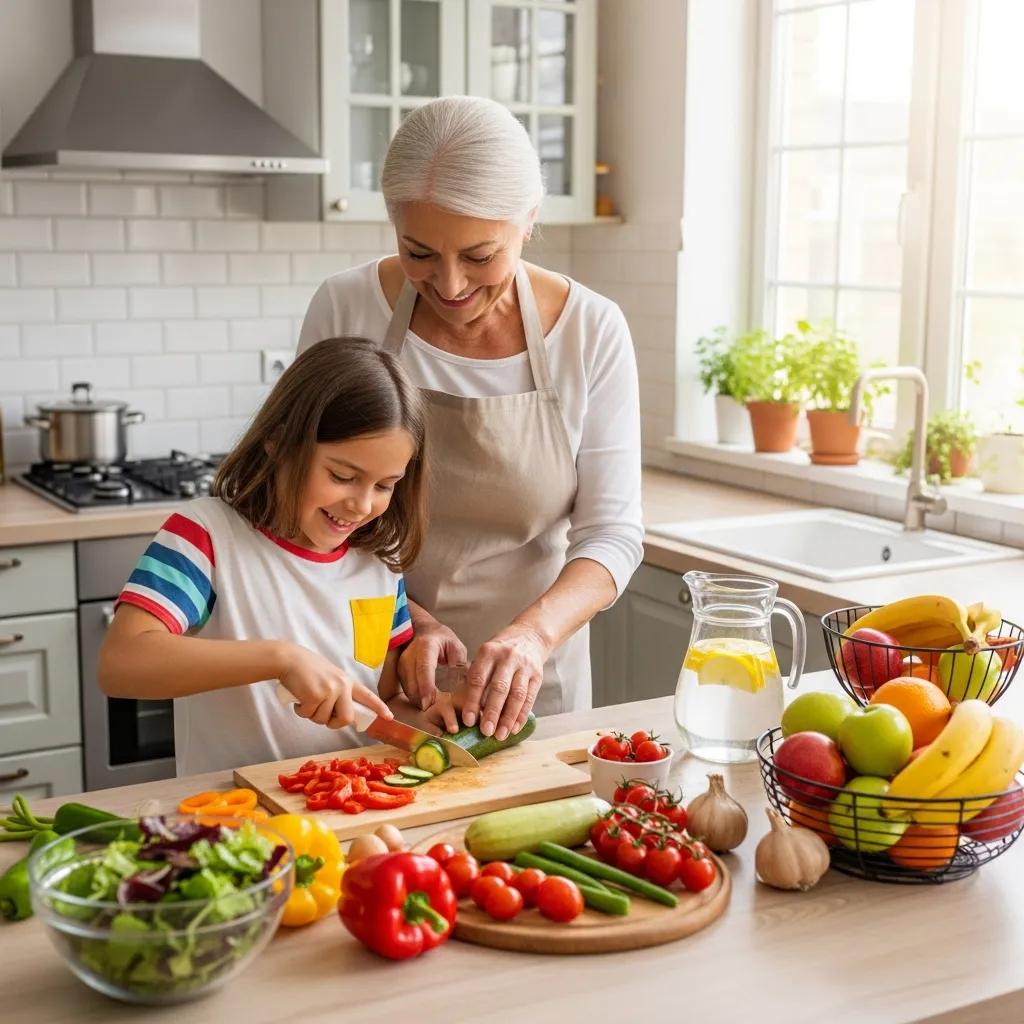
Maintaining good health is crucial for grandparents to engage actively with their grandchildren. Here are some wellness tips that can help:
However, it’s important to acknowledge that many grandparents, especially those in a custodial role, require significant social and emotional support to effectively care for their grandchildren.
Supporting Grandparents’ Social-Emotional Needs
Unfortunately, custodial grandparents report greater needs for social and emotional support to successfully care for their grandchildren. Yet, the resources required to provide preventive social-emotional support to these families are unknown.
Investing in custodial grandparents: Cost analysis of the social intelligence program, DM Crowley, 2024
By prioritizing their health, grandparents can foster stronger relationships with their grandchildren.
Nutrition plays a critical role in the health of older adults. A balanced diet rich in essential nutrients can enhance mood and cognitive function. For instance, foods high in omega-3 fatty acids, such as fish and nuts, are known to support brain health and emotional stability. Ensuring that grandparents have access to nutritious meals can significantly impact their overall well-being and ability to connect with their grandchildren.
Grandparents can adopt several lifestyle changes to enhance family engagement:
These changes encourage active participation in family life, making it easier for grandparents to connect with their grandchildren.
Strengthening the bond between grandparents and grandchildren has profound implications for mental health and family wellness. Research indicates that strong intergenerational relationships can lead to improved mental health outcomes for both parties.
Recent studies show that individuals with strong intergenerational connections experience lower levels of depression and anxiety. The emotional support provided by these relationships can enhance resilience and overall life satisfaction. This highlights the importance of nurturing these bonds for the mental well-being of both grandparents and grandchildren.
Psychotherapy can facilitate healthier family dynamics by addressing underlying issues that may hinder communication and connection. Through therapy, families can learn to navigate conflicts and improve their emotional interactions. This professional guidance can lead to more fulfilling relationships, ultimately benefiting the mental health of all family members.